
Stepping into competitive fighting games often feels like learning a foreign language where your opponent always holds the dictionary. To move beyond button-mashing and truly understand why certain moves always seem to beat yours, you need to master frame data analysis. At its core, fighting game design operates on a strict sixty-frames-per-second timeline, meaning every single attack, dodge, and block is broken down into microscopic increments of time.
Whether you are trying to understand why your favorite character’s sweep gets punished every time, figuring out the precise combo cancel timing to maximize your damage output, or studying zone control fundamentals to dominate the neutral game, breaking down these numbers changes everything. In this guide, you will learn how to read official resource sheets, decode invisible collision boxes, and apply practical math to outsmart your opponents in high-stakes matches.
1. Understanding the Mechanics of Frame Data Analysis and Hitbox Interactions
1.1 The Fundamentals of Fighting Game Physics and Timing
1.1.1 Defining the 60FPS Standard and the Concept of a Single Frame
Modern fighting games operate on a strict 60 frames per second standard. This means that every animation, movement, and interaction is broken down into exactly 60 distinct slices of time every single second. A single frame lasts roughly 16.67 milliseconds. Understanding this rigid timeline is the bedrock of frame data analysis, allowing players to measure moves not by visual perception, but by exact mathematical units.
1.1.2 Breaking Down Move Phases: Startup, Active, and Recovery Frames
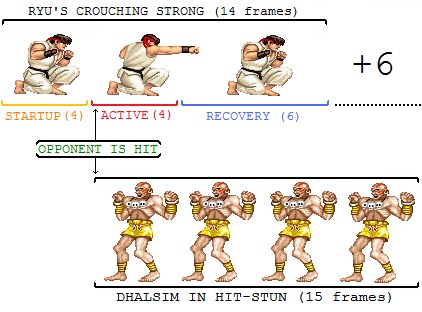
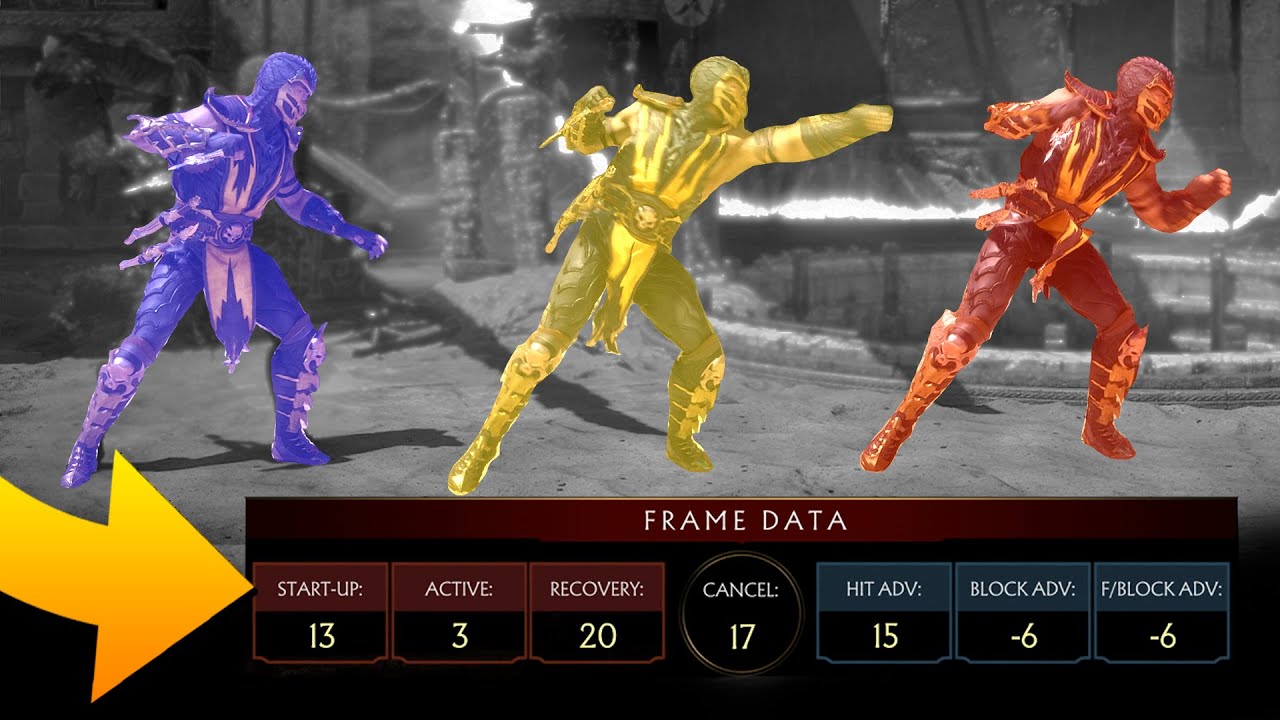
Every attack in a fighting game consists of three distinct phases: startup, active, and recovery. Startup frames represent the wind-up before a move can hit an opponent. Active frames are the window where the attack can actually connect and deal damage. Finally, recovery frames dictate how long a character is locked into the ending animation before they can block, move, or attack again. Mastering these phases is essential for calculating counter attack timing during high-pressure matches.
1.1.3 Distinguishing Between Plus Frames and Minus Frames on Block
When an attack connects with an opponent who is guarding, the game calculates frame advantage. If your move finishes recovering before the defender can act, you are plus on block, meaning it is your turn to attack again. Conversely, if the defender recovers first, your move is minus on block, leaving you vulnerable to a swift punishment. Recognizing these values prevents unsafe habits and improves overall defensive discipline.
1.2 Decoding Hitbox, Hurtbox, and Collision Box Geometry
1.2.1 Anatomy of a Hitbox and How it Registers Damage
A hitbox collision explanation relies on understanding invisible digital boundaries mapped over character sprites. When an offensive move enters its active phase, a hitbox spawns around the attacking limb or weapon. If this hitbox intersects with an opponent’s hurtbox during the active frames, the game engine registers a successful hit, triggering damage and hitstun.
1.2.2 The Role of Hurtboxes and Invulnerability Frames in Neutral
While hitboxes deal damage, hurtboxes represent the vulnerable areas of your character that the enemy can strike. During specific moves, characters may possess invulnerability frames where their hurtboxes disappear entirely, allowing them to pass through enemy attacks or punish incoming pressure. Managing these spaces safely is a core component of effective zone control fundamentals in the neutral game.
1.2.3 Why Visual Animations Deceive Players During High-Speed Exchanges
Visual art styles and character animations are designed to look fluid and cinematic rather than mathematically precise. A character’s foot might look like it has connected with an opponent, but if the underlying hitbox hasn’t spawned yet, the attack will miss. Relying on raw data rather than visual cues prevents players from falling for deceptive attack animations.
1.3 Navigating and Interpreting Official Frame Data Resources
1.3.1 Identifying Crucial Metrics: Startup Speed, Damage, and Range
Community wikis and official game guides provide comprehensive tables detailing every character’s toolkit. Key metrics to evaluate include startup speed, total damage scaling, and horizontal or vertical range. Knowing whether a jab starts in four frames or seven frames completely changes how you approach close-quarters scuffles and controller mapping guides for optimal reaction times.
1.3.2 Analyzing Punish Windows and Frame Traps for Strategic Advantage
Frame data enables players to identify precise punish windows—the exact number of frames an opponent remains defenseless after a blocked or missed attack. By studying these numbers, you can construct frame traps that make your attacks appear unsafe while actually catching opponents who attempt to press buttons during your recovery gap.
1.3.3 Converting Wiki Data Sheets into Practical In-Game Knowledge
Reading a spreadsheet is very different from applying data in the heat of a match. The transition from theory to execution requires regular training mode sessions where you test specific punishes against dummy recordings. Bridging this gap transforms dry numbers into instinctual competitive awareness.
2. Mastering Execution Techniques and Real-World Frame Data Analysis

2.1 Achieving Consistent Combo Timings and Link Execution
Translating theoretical frame data into muscle memory requires a deep understanding of how moves connect during an exchange. When practicing your execution, mastering the distinction between links and special cancels is vital. A link requires you to hit a button at the exact frame window where the opponent recovers from hitstun, whereas a special cancel lets you interrupt the recovery frames of a normal attack entirely. Utilizing advanced execution tools like plinking or input buffering strategies can significantly expand your input window, giving you a better margin for error during high-pressure tournament matches. However, keep in mind that long, extended sequences will trigger hitstun and blockstun decay, reducing the overall advantage of subsequent hits and demanding tighter timing as the combo progresses.
2.2 Applying Frame Data Analysis to Live Match Decision-Making
Lab training sessions are entirely useless if you cannot translate your frame knowledge into effective neutral game pressure. Once you step into a live match, your focus must shift toward recognizing your opponent’s visual habits and punishing their recovery frames based on real-time data patterns. If an opponent relies on unsafe poke options, punishing them effectively depends entirely on recognizing the exact frame disadvantage they face on block. Furthermore, you must constantly adjust your strategy to account for technical variables like rollback netcode and input delay. These online fluctuations can subtly shift your timing, meaning you need to rely on buffered inputs and sound reaction habits rather than trying to eyeball micro-frames on a fluctuating connection.
2.3 Essential FAQ: Solving Common Competitive Challenges
Differentiating active frames from startup frames is the first step toward understanding why certain attacks trade or fail. Startup frames represent the wind-up before an attack can hit, while active frames dictate the precise window where the move actually possesses a hitbox. If you struggle with execution consistency, specific training techniques for mastering one-frame links—such as rhythmic audio cues or visual training modes—can build the necessary finger dexterity. When visual discrepancies arise between character animations and actual hitbox connections, always trust the underlying data rather than the graphical flair. Finally, optimizing performance across varied netcode environments ensures that your muscle memory translates smoothly from offline training to competitive online play.
Mastering fighting games goes far beyond simple button-mashing or memorizing long sequences. By diving deep into frame data analysis, you transform how you view every match, turning chaotic visual spectacles into predictable, tactical exchanges. Whether you are studying hitbox collision explanations to understand why a specific poke keeps failing or refining your counter attack timing to punish careless opponents, every single frame matters in high-level competition.
Ultimately, bridging the gap between theoretical wiki sheets and real-time execution takes patience, practice, and a willingness to spend time in training mode. As you internalize combo cancel timings and adapt your zone control fundamentals to account for modern netcode variables, your overall competitive awareness will grow exponentially. Keep analyzing your matches, stay adaptable, and let precision dictate your path to victory on the leaderboard.