
Step onto any wrestling mat, Brazilian Jiu-Jitsu academy, or mixed martial arts cage, and you will quickly realize that raw physical strength rarely overcomes superior leverage and space management. Mastering grappling positioning is the ultimate differentiator between reacting to chaos and dictating the flow of engagement. Whether you are fighting to escape a bottom disadvantage or looking to consolidate a dominant pin, understanding the hidden mechanics of leverage changes everything.
In this comprehensive guide, you will learn how to dismantle an opponent’s structural integrity through advanced zone control fundamentals. We will break down the mechanics of skeletal alignment, explore critical tactical transitions from the clinch to the ground, and reveal the precise counter attack timing needed to punish over-committed movements. By analyzing concepts like frame data analysis in human biomechanics, you will transform your approach from a guessing game into a calculated, systematic strategy for total mat dominance.
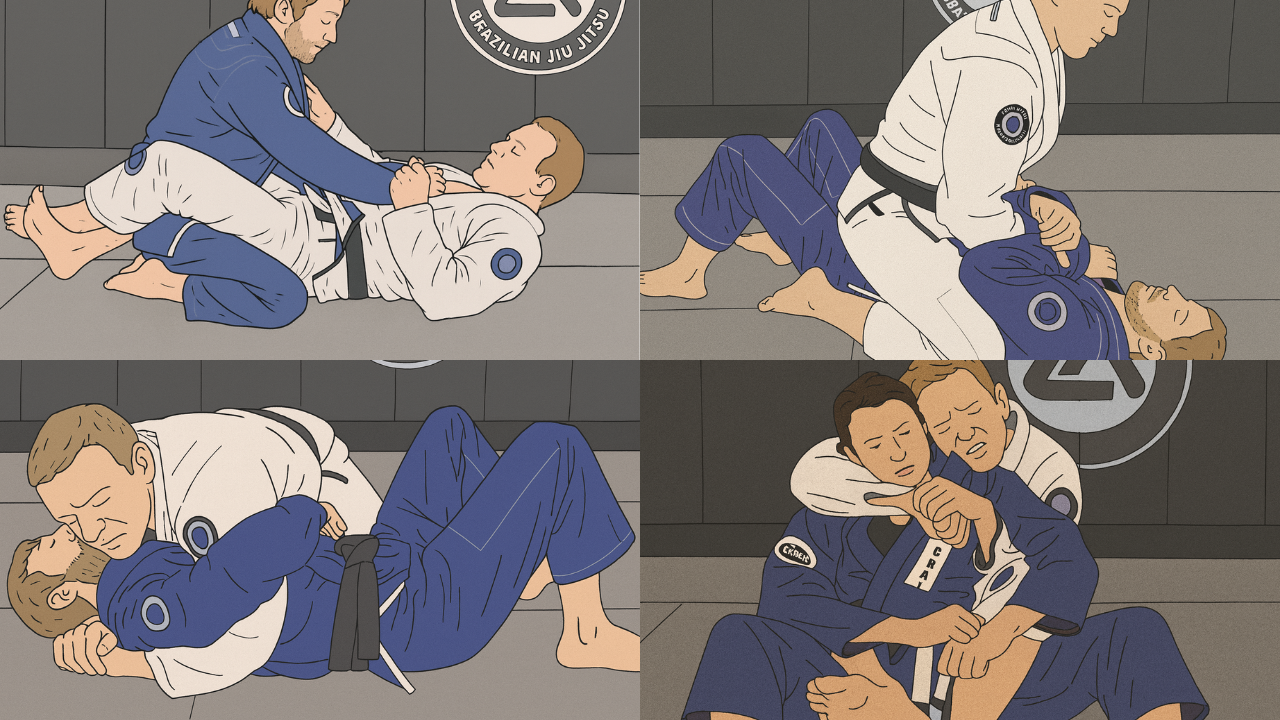
1. Mastering the Fundamentals of Grappling Positioning and Zone Control
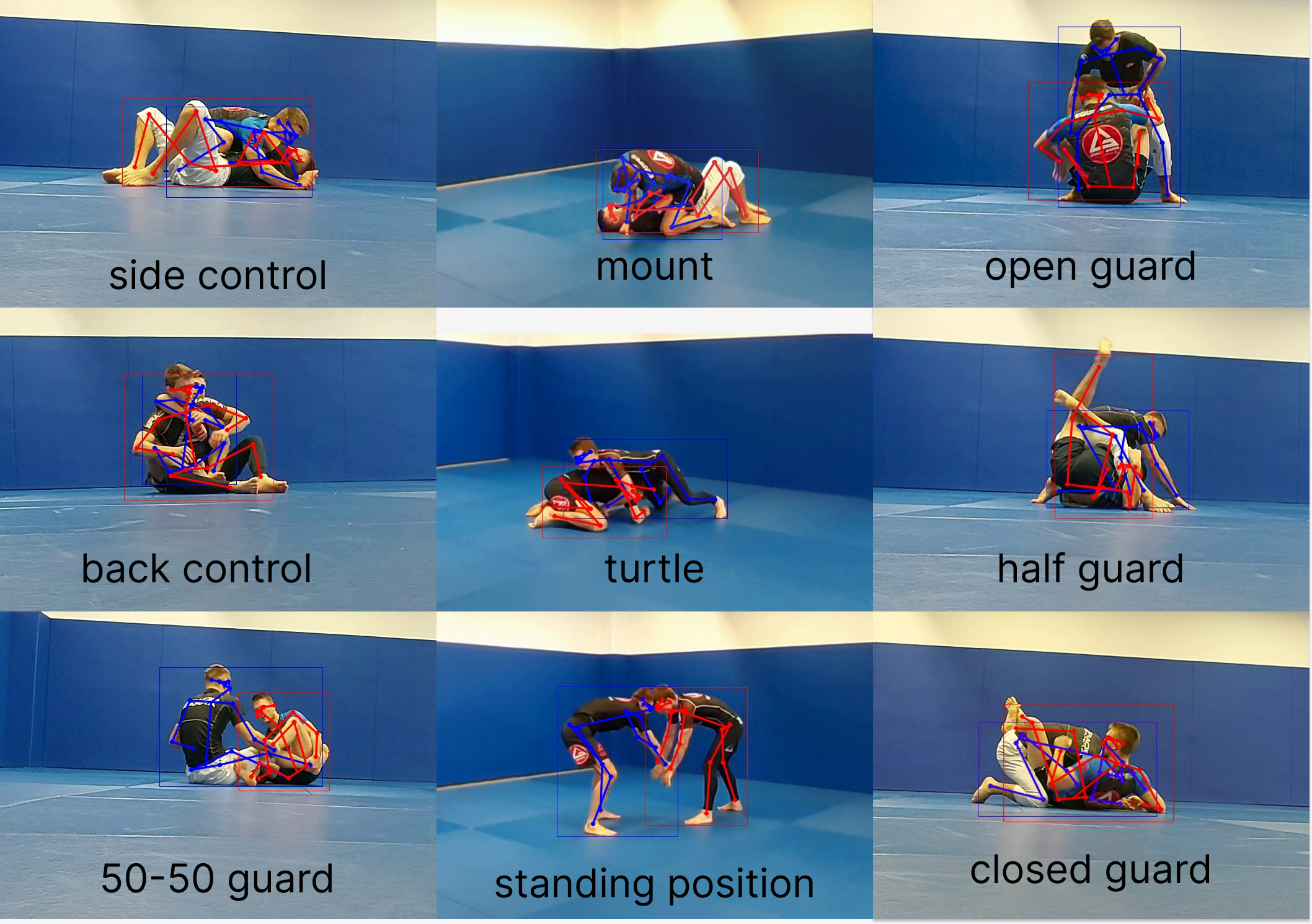
1.1 The Strategic Importance of Zone Control in Combat Sports
1.1.1 Defining Spatial Dominance and Wedge Theory
Effective grappling positioning begins with understanding how space dictates outcomes on the mat. Spatial dominance relies heavily on wedge theory, which treats human limbs and torsos as structural levers. By inserting a knee, elbow, or shoulder into an opponent’s vital pathways, you create a mechanical wedge that halts their advance, redirects their momentum, and opens up pathways for counter attack timing.
1.1.2 The Hierarchy of Control: Inside Versus Outside Position
In any hand-to-hand exchange, securing the inside space is paramount. The fundamental rule of engagement dictates that whoever controls the inside line—hands, elbows, and knees—dictates the pace. Holding an outside position forces you to travel a wider arcing path to affect your opponent, whereas holding the inside grants you direct, linear access to their center of gravity.
1.2 Structural Integrity and Biomechanics
1.2.1 Posture Management: Aligning the Spine and Center of Gravity
Maintaining a strong skeletal structure allows you to absorb immense pressure without fatiguing your muscular system. By stacking your cervical, thoracic, and lumbar vertebrae directly over your base, you minimize unnecessary leverage points. If your posture breaks, your structural integrity collapses, leaving you vulnerable to explosive sweeps and unrecoverable positions.
1.2.2 Harnessing Anchors: Weight Distribution and Connection Points
Your connection points act as heavy anchors that either pin down an opponent or stabilize your own defensive shell. Distributing your body weight strategically across your hips, shoulders, and hands prevents unwanted sliding and restricts your opponent’s breathing room. For those interested in studying how micro-interactions dictate success, reviewing concepts akin to frame data analysis highlights the critical nature of split-second positional advantages.
1.3 Core Grappling Ranges and Tactical Transitions
1.3.1 Managing the Clinch and Standing Engagement
The standing exchange is all about managing distance before closing the gap into collar ties and underhooks. Staying safe in the clinch requires constant head positioning—either tucked beneath your opponent’s chin or glued firmly to their chest—to prevent sudden strikes or level-change takedowns.
1.3.2 Guard Retention and Defensive Shell Mechanics
When playing off your back, your legs act as active shields designed to frustrate passing attempts. Guard retention relies on active hip mobility and continuous framing, ensuring that an opponent cannot collapse your knees toward your shoulders or isolate your upper body.
1.3.3 Pinning and Submission Landscapes
Transitioning from a dominant pin to a submission requires methodical isolation of a single limb. By utilizing heavy chest pressure and shifting your weight across your opponent’s diaphragm, you sap their stamina while methodically baiting them into exposing an arm or neck.
2. The Science of Counter Timing and Tactical Execution
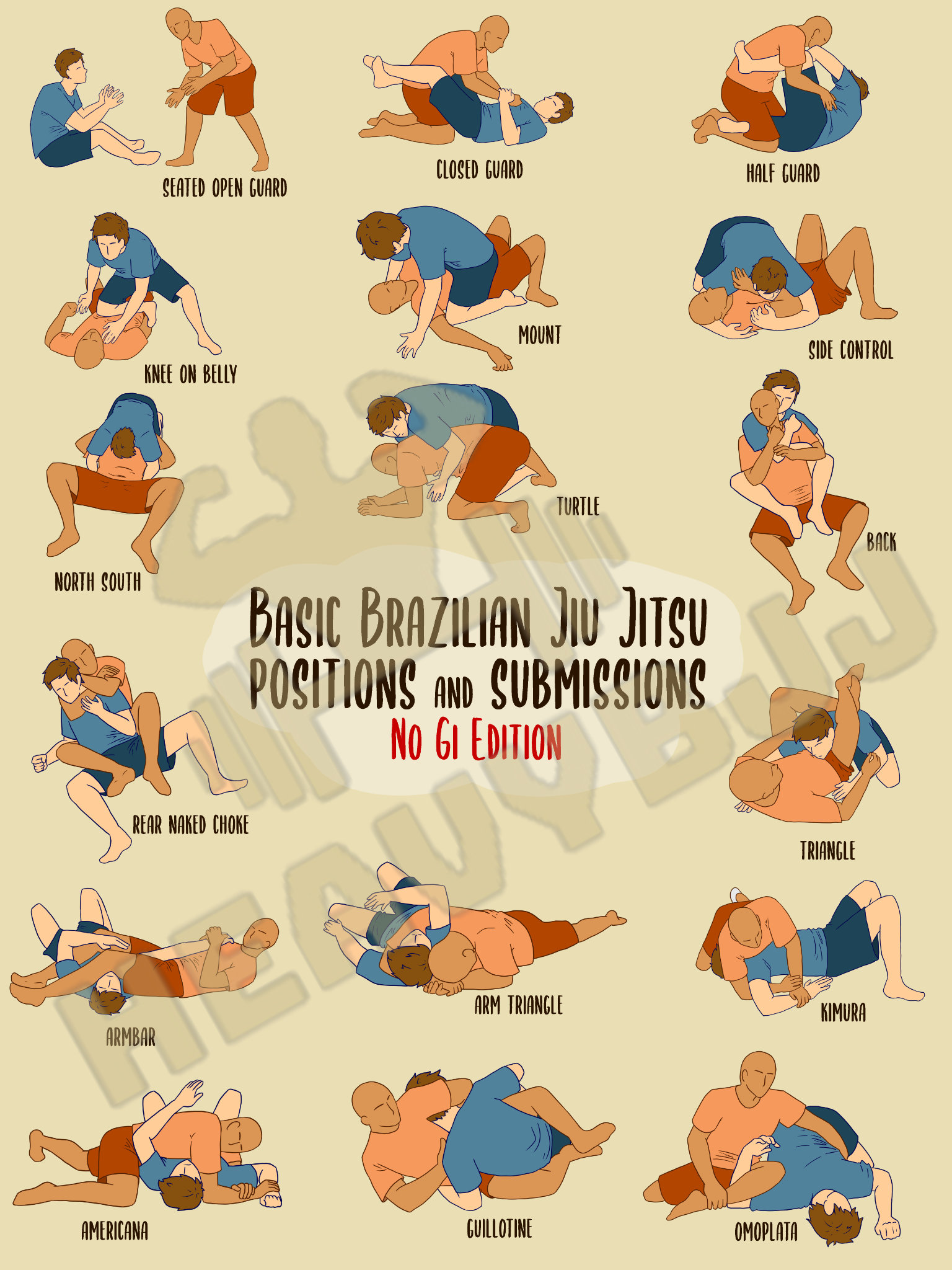
Mastering grappling positioning goes far beyond static defense; it requires an active understanding of counter attack timing to turn an opponent’s aggression against them. When two grapplers lock up, every movement creates micro-shifts in weight and leverage. True tactical execution relies on recognizing these fleeting operational windows before your opponent can adjust their base.
2.1 Recognizing and Exploiting Windows of Opportunity
To disrupt a seasoned opponent, you must look past their initial posture and focus on the physics of their transition. Every offensive movement requires a preliminary shift in weight.
2.1.1 Anticipation Versus Reaction: Reading Opponent Momentum
Waiting to see a technique fully materialize is often too late in high-level grappling. True proficiency demands reading the kinetic chain—noticing how a shoulder drops or a hip rotates milliseconds before a shot is driven. By anticipating momentum rather than merely reacting to visual cues, you can intercept an attack at its inception.
2.1.2 Exploiting Push-Pull Dynamics and Over-Commitments
Combat sports operate on a continuous loop of action and reaction. When an opponent over-commits to a forward push, their center of gravity moves past their base of support. Recognizing this over-extension allows you to step aside and redirect their energy, effectively using their own momentum to break their posture.
2.2 The Three Phases of High-Level Countering
Effective defense is structured around three sequential steps that safeguard your structure while penalizing the opponent’s missteps.
2.2.1 Interception: Neutralizing Attacks at the Point of Initiation
The safest place to stop a technique is before it gains traction. Interception involves placing structural frames or initiating proactive ties that disrupt the opponent’s setup phase, stopping their offensive sequence in its tracks.
2.2.2 Mitigation: Absorbing and Redirecting Force Mid-Move
If an attack manages to clear your initial frames, mitigation becomes vital. Instead of meeting force with rigid resistance—which often drains your stamina—you absorb the impact structurally and channel the vector of force away from your vital center line.
2.2.3 Capitalization: Punishing Completion Failure
Once an opponent’s technique fails to secure the desired position or submission, they enter a brief period of structural vulnerability. Capitalizing on this moment means immediately transitioning from defense to offense, punishing their over-extension with a sweep or counter-hold.
2.3 Advanced Tempo Manipulation and Strategic Traps
Elite grapplers rarely wait for mistakes to happen organically; they manufacture them through calculated pacing and tactical misdirection.
2.3.1 Baiting Reactions to Force Predictable Responses
By offering a compromised limb or an inviting angle, you can induce a panic reaction from your opponent. When they bite on the perceived opening, they execute a predictable movement that you have already prepared to counter.
2.3.2 Implementing Positional Sparring and Timing Drills
Building the muscle memory required for split-second decisions involves specific resistance training. Utilizing targeted frame data analysis principles and constraint-based sparring drills helps condition your nervous system to recognize counter windows intuitively.
2.3.3 Correcting Common Pitfalls: Avoiding Over-Muscling and Premature Submission Hunting
A frequent mistake among developing grapplers is relying on raw strength rather than structural timing. Tensing up blocks the tactile feedback needed to feel weight shifts, while hunting for submissions too early usually compromises your hard-earned positional control. Patience and precision remain the ultimate tools for sustained dominance.
Mastering the art of grappling positioning requires a shift from reactive scrambling to proactive spatial dominance. By understanding the core mechanics of structural integrity, inside-position hierarchies, and tactical wedge theory, you can systematically dismantle an opponent’s defense while minimizing your own exposure to risk. True technical mastery does not come from forcing brute-force solutions, but rather from aligning your center of gravity and respecting the fundamentals of weight distribution.
Equally important is the development of sharp counter attack timing. When you learn to read micro-moments of momentum—intercepting attacks at their initiation and punishing an opponent’s over-commitments—you turn their aggression against them. Whether you are refining your transitions in the standing clinch, maintaining a resilient defensive shell, or setting up traps from the guard, patience and tactical awareness remain your best assets. Continue testing your reflexes, study your movement frames closely, and apply these principles consistently on the mat to elevate your overall grappling game.