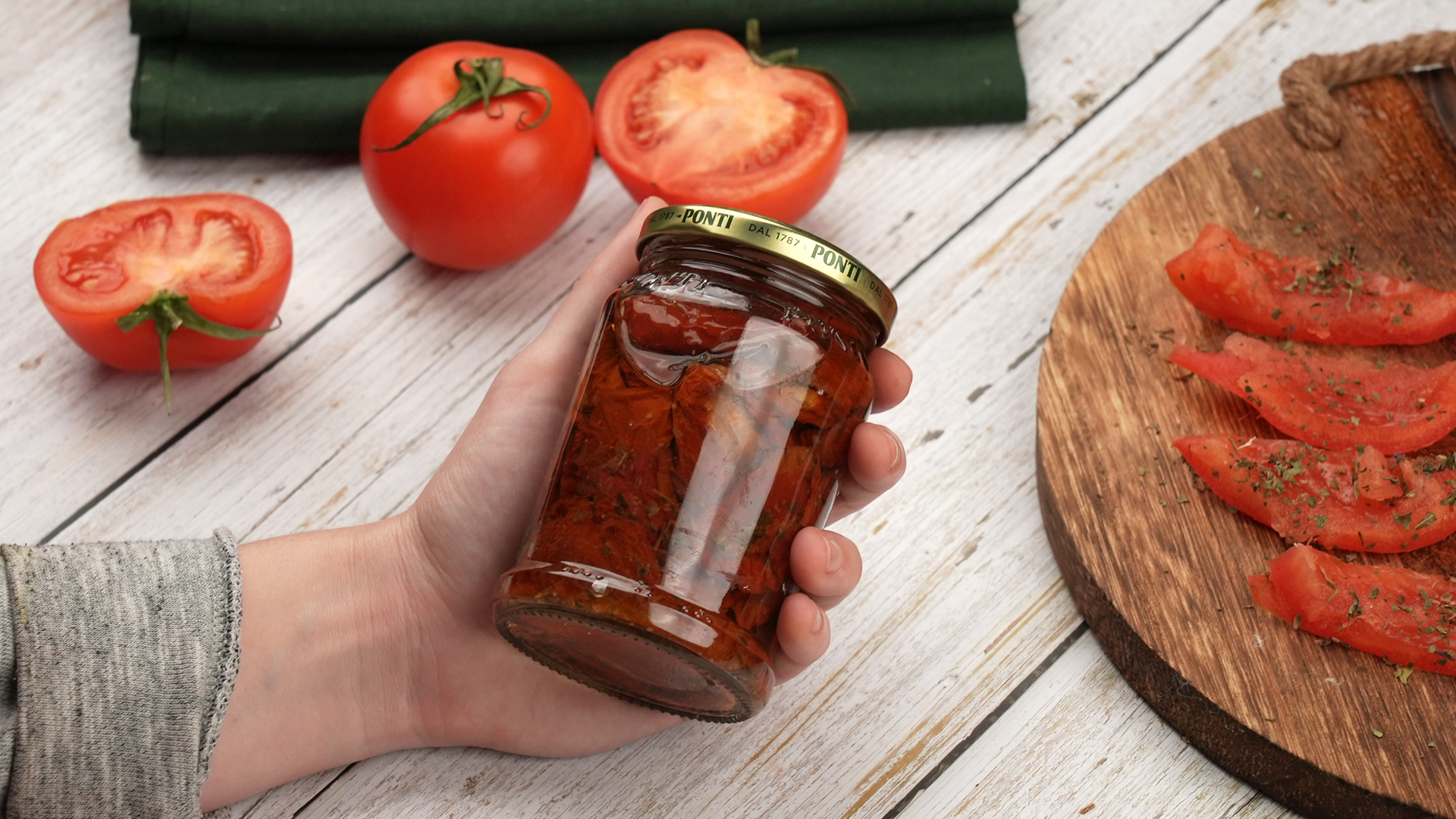
Sun dried tomatoes are tiny flavor bombs with a dramatic backstory. One day, they are juicy tomatoes lounging on your counter. A few hours later, they become chewy, sweet, tangy, concentrated little jewels that can make pasta, pizza, sandwiches, salads, soups, eggs, and snack boards taste like they were kissed by an Italian summer.
The funny part? You do not actually need the sun. Traditional sun drying is beautiful, romantic, and very Mediterranean, but most home cooks in the United States get safer, more predictable results with an oven or food dehydrator. The goal is the same either way: remove enough moisture so the tomato flavor becomes deep, sweet, and intense without burning, molding, or turning into tomato leather suitable only for repairing old boots.
This guide walks you through how to make sun dried tomatoes in 13 practical steps, including how to choose tomatoes, slice them, season them, dry them in the oven or dehydrator, store them safely, and use them in everyday cooking. You will also find real kitchen experience at the end, because tomatoes are simple, but they have opinions.
What Are Sun Dried Tomatoes?
Sun dried tomatoes are ripe tomatoes that have been slowly dried until much of their water evaporates. As moisture leaves, the tomato flavor becomes more concentrated. The result is chewy, sweet, savory, slightly tart, and deeply umami. Think of them as regular tomatoes after a serious gym transformation.
They can be dry-packed, stored in the refrigerator or freezer, or packed in oil for short-term refrigerated storage. Dry-packed tomatoes are firmer and more concentrated, while oil-packed tomatoes are softer and ready to toss into recipes. Both are useful, but they require different storage habits.
Best Tomatoes for Sun Dried Tomatoes
The best tomatoes for homemade sun dried tomatoes are meaty, ripe, and flavorful. Roma tomatoes, plum tomatoes, San Marzano-style tomatoes, grape tomatoes, and cherry tomatoes are excellent choices because they contain less watery pulp than large slicing tomatoes. Beefsteak tomatoes can work, but they usually take longer and may produce a softer, less chewy result.
Look for tomatoes that are ripe but not mushy. A tomato that smells sweet and feels firm is ideal. Avoid bruised, moldy, split, or overripe tomatoes. Drying concentrates flavor, which is wonderful when the tomato tastes good and deeply unfortunate when the tomato tastes like wet cardboard wearing a red jacket.
Ingredients and Tools You Need
Ingredients
- 2 to 3 pounds ripe Roma, plum, grape, or cherry tomatoes
- 1 to 2 teaspoons kosher salt or sea salt
- Optional: dried oregano, dried basil, dried thyme, black pepper, or garlic powder
- Optional for serving: olive oil, lemon juice, fresh herbs, pasta, bread, cheese, or salads
Tools
- Sharp knife
- Cutting board
- Baking sheet with parchment paper or dehydrator trays
- Cooling rack, if using the oven
- Food dehydrator or oven
- Airtight container, freezer bag, or clean jar
How to Make Sun Dried Tomatoes: 13 Steps
Step 1: Choose ripe, meaty tomatoes
Start with tomatoes that are full of flavor. Roma and plum tomatoes are classic because they have thick flesh and fewer seeds. Cherry and grape tomatoes are also excellent because they are naturally sweet and dry faster. The better the tomato tastes fresh, the better it will taste dried.
Step 2: Wash and dry the tomatoes
Rinse the tomatoes under cool running water and gently rub away dirt. Dry them with a clean kitchen towel or paper towel. Extra surface water slows the drying process, and nobody invited puddles to this party.
Step 3: Remove stems and damaged spots
Pull off stems and trim away bruises, cracks, or soft spots. If a tomato shows mold, discard it. Drying preserves good flavor; it does not magically rescue questionable produce.
Step 4: Slice tomatoes evenly
Cut Roma or plum tomatoes lengthwise into halves or quarters. Slice large tomatoes into pieces about 1/4 to 1/2 inch thick. Cut cherry or grape tomatoes in half. Try to keep the pieces similar in size so they dry at the same speed.
Step 5: Remove excess seeds and gel, if desired
Scooping out some of the watery seed gel can shorten drying time and create a meatier texture. This step is optional, especially for cherry tomatoes, but helpful for larger or juicier varieties. Use a small spoon or your fingers and be gentle.
Step 6: Arrange tomatoes in a single layer
Place the tomatoes cut-side up on parchment-lined baking sheets or dehydrator trays. Leave space between pieces so air can circulate. Crowding traps moisture, and trapped moisture is the enemy of beautiful homemade sun dried tomatoes.
Step 7: Season lightly
Sprinkle the tomatoes with a small amount of salt. Add dried herbs if you like, but keep the seasoning light. Drying intensifies everything, so a heavy hand with salt can turn your tomatoes into tiny red salt licks. Dried oregano, basil, thyme, and black pepper work well.
Step 8: Choose your drying method
You have three main options: oven drying, dehydrator drying, or traditional sun drying. For most home cooks, the oven or dehydrator is the safest and easiest method because temperature, airflow, and cleanliness are easier to control.
Oven method: Set your oven between 200°F and 250°F. Use parchment paper or a rack set over a baking sheet. Keep the tomatoes cut-side up and rotate the trays occasionally.
Dehydrator method: Set the dehydrator around 135°F to 145°F, depending on your machine’s instructions. Dehydrators provide steady airflow, which makes them ideal for drying tomatoes evenly.
Traditional sun method: Use this only in hot, dry, sunny weather with low humidity. Place tomatoes on clean drying screens, cover with cheesecloth or mesh to protect from insects, and bring them indoors at night to avoid dew.
Step 9: Dry slowly until chewy and concentrated
Drying time depends on tomato size, moisture level, humidity, oven accuracy, and desired texture. Oven-dried tomatoes may take 2 1/2 to 8 hours. Dehydrated tomatoes may take 6 to 12 hours or longer. Sun drying can take several days. The tomatoes are ready when they are shriveled, flexible, and leathery, with no obvious wet pockets.
Step 10: Check and rotate during drying
Check the tomatoes regularly, especially near the end. Smaller pieces may finish first. Remove those and let larger pieces continue drying. Rotate baking sheets in the oven to prevent hot spots. If your oven runs hot, crack the door slightly or lower the temperature.
Step 11: Cool completely
Once the tomatoes reach the texture you like, let them cool fully before storing. Warm tomatoes release steam inside containers, and steam turns into moisture. Moisture is great for rainforests and terrible for dried tomato storage.
Step 12: Store safely
For the best quality, store dry-packed sun dried tomatoes in an airtight container in the refrigerator or freezer. If they are not completely dry, refrigerate them and use them sooner. For long-term storage, freezing is the most reliable option.
If you pack dried tomatoes in oil, keep them refrigerated. Be especially careful with garlic and herbs in oil because low-oxygen oil mixtures can create food-safety risks if handled improperly. When in doubt, refrigerate, use within a few days, or freeze for longer storage.
Step 13: Use them like flavor confetti
Chop sun dried tomatoes into pasta, grain bowls, omelets, pizza, focaccia, soups, dips, pesto, chicken dishes, tuna salad, roasted vegetables, and sandwiches. A small amount goes a long way. They are bold, so treat them like parmesan cheese, olives, or capers: not the whole orchestra, but definitely the trumpet section.
Oven-Dried vs. Dehydrated vs. Sun-Dried Tomatoes
Oven-dried tomatoes
Oven-dried tomatoes are convenient because almost everyone has an oven. They are often slightly softer and juicier than traditional dry-packed sun dried tomatoes. Use a low temperature and watch carefully near the end to avoid scorching.
Dehydrated tomatoes
A food dehydrator gives the most consistent results. It uses low heat and steady airflow, which helps dry tomatoes evenly. This method is excellent for gardeners preserving large batches of tomatoes at the end of summer.
Traditional sun-dried tomatoes
Traditional sun drying has romance, but it also requires the right climate. Humidity, insects, dust, and overnight dew can cause problems. If you live somewhere hot and dry, it can work beautifully. If your weather feels like a wet towel in August, use the oven or dehydrator and keep your tomato dignity intact.
How to Tell When Sun Dried Tomatoes Are Done
Finished sun dried tomatoes should look wrinkled and feel leathery or pliable. They should not feel juicy, sticky-wet, or squishy in the center. Some people prefer them softer for immediate use, while others like them drier for storage. If you plan to keep them longer, dry them more thoroughly and store them cold.
A good test is to press a cooled tomato piece between your fingers. It should bend, not ooze. If moisture beads up, continue drying. If it snaps like a chip, it may be over-dried, but do not panic. You can rehydrate it in warm water, broth, wine, or olive oil before cooking.
How to Store Homemade Sun Dried Tomatoes
Dry-packed storage
Place fully cooled dried tomatoes in an airtight container. Store them in the refrigerator for short-term use or in the freezer for longer storage. Label the container with the date because “mystery red things from the back of the freezer” is not a recognized culinary category.
Oil-packed storage
Oil-packed dried tomatoes taste luxurious, but they require safe handling. Use clean jars, keep them refrigerated, and avoid leaving them at room temperature. If you add garlic or herbs, use the tomatoes quickly or freeze them. Do not assume oil makes everything shelf-stable; oil can protect flavor, but it can also trap moisture.
Freezer storage
Freezing is a smart choice if you made a big batch. Spread dried tomatoes on a tray to freeze individually, then transfer them to a freezer bag. This keeps them from freezing into one tomato brick. Use directly from frozen in sauces, soups, and braises.
How to Rehydrate Sun Dried Tomatoes
Dry-packed tomatoes can be rehydrated before use. Place them in a bowl and cover with warm water, hot broth, wine, or a mixture of water and vinegar. Let them sit for 15 to 30 minutes until softened. Drain and pat dry before adding them to salads, dips, or spreads.
For pasta sauces, soups, stews, and casseroles, you can often add chopped dried tomatoes directly to the dish. They will absorb liquid as they cook and release their concentrated tomato flavor into the recipe.
Flavor Ideas for Homemade Sun Dried Tomatoes
Classic sun dried tomatoes need only salt, but you can customize them in many ways. Sprinkle lightly with dried oregano for a pizza-friendly flavor. Add dried thyme for soups and roasted vegetables. Use black pepper and a tiny pinch of chili flakes for a spicy batch. Add garlic powder only if you plan to refrigerate or freeze the finished tomatoes.
For serving, toss dried tomatoes with olive oil, a splash of lemon juice, and chopped parsley. Add them to whipped feta, hummus, cream cheese, or goat cheese for an instant appetizer. Mix them into softened butter and spread on warm bread if you enjoy making people emotionally attached to appetizers.
Common Mistakes to Avoid
Using watery tomatoes
Watery tomatoes take longer to dry and may produce bland results. Use meaty tomatoes whenever possible.
Cutting uneven pieces
Uneven slicing causes some pieces to dry into chips while others stay wet. Aim for similar thickness.
Drying at too high a temperature
High heat roasts tomatoes instead of drying them. Roasted tomatoes are delicious, but they are not the same as sun dried tomatoes.
Storing before fully cooled
Warm tomatoes create condensation in containers. Cool them completely first.
Assuming oil-packed means shelf-stable
Homemade tomatoes packed in oil should be refrigerated, especially if herbs or garlic are involved. Food safety is not the place to freestyle.
Ways to Use Sun Dried Tomatoes
Sun dried tomatoes are one of those ingredients that make simple food taste fancy. Stir them into alfredo, pesto, marinara, or cream sauce. Add them to scrambled eggs, frittatas, or breakfast sandwiches. Chop them into tuna salad or chicken salad. Layer them on grilled cheese with mozzarella and basil. Blend them into hummus, bean dip, or salad dressing.
They also shine in baked goods. Add chopped sun dried tomatoes to focaccia, savory muffins, biscuits, or quick bread. Mix them with olives and parmesan for a Mediterranean-style snack. Toss them with roasted potatoes, green beans, or cauliflower. Add a spoonful to soup when it tastes flat and needs a little sunshine therapy.
of Real Kitchen Experience: What Making Sun Dried Tomatoes Teaches You
The first thing you learn when making sun dried tomatoes is patience. Tomatoes are not in a hurry. You can stare through the oven door all you want, but they will continue shrinking at their own tomato pace, like tiny red retirees enjoying a long afternoon. At first, nothing seems to happen. Then suddenly the edges curl, the skins wrinkle, and the kitchen begins smelling like pizza sauce, summer gardens, and good decisions.
The second lesson is that size matters. Cherry tomatoes are the friendly beginners of the sun dried tomato world. Slice them in half, place them cut-side up, sprinkle with salt, and they usually behave. Roma tomatoes are also excellent, but they need a little more time. Big slicing tomatoes can work, but they bring drama. They have more juice, more seeds, and more opportunities to dry unevenly. Use them if you have them, but do not expect them to act like tidy little plum tomatoes.
Another experience worth noting: do not oversalt. A light sprinkle tastes perfect after drying. A generous sprinkle can become aggressive. Drying removes water and concentrates salt, so season as if the tomatoes are already very flavorful. You can always add salt later in a recipe, but you cannot easily unsalt a tomato that has decided to become a snack-sized ocean.
Oven temperature also teaches humility. Some ovens are honest. Others are creative storytellers. Your oven may say 225°F while behaving like it just drank espresso. That is why checking matters. Rotate the pan every hour or so, watch the smaller pieces, and remove finished tomatoes early. If edges begin darkening too much, lower the heat. Slight browning can taste good; burnt tomato tastes like sadness with seeds.
The best batches often come from mixed textures. Some tomatoes finish soft and chewy, while others become darker and more intense. That variety is wonderful in pasta or salads. The softer pieces melt into sauces. The drier pieces add punch. Homemade sun dried tomatoes do not need to look identical like store-bought strips. In fact, part of their charm is that they look homemade, rustic, and mildly rebellious.
Storage is where many beginners get overconfident. A jar of tomatoes covered in olive oil looks gorgeous on the counter, but homemade oil-packed tomatoes belong in the refrigerator. If garlic or herbs are added, be extra cautious and use them quickly or freeze them. The safe route is simple: keep dry tomatoes in the fridge or freezer, and only pack small amounts in oil when you plan to use them soon.
The biggest payoff comes later. A spoonful of homemade sun dried tomatoes can rescue boring pasta, wake up scrambled eggs, upgrade sandwiches, and make a plain salad feel intentional. They are also excellent for reducing food waste. When tomato season gets out of control and your counter looks like a farmers market had a minor accident, drying gives you a way to save the harvest without canning equipment.
In the end, making sun dried tomatoes is not complicated. It is slow, fragrant, and satisfying. You start with fresh tomatoes and end with concentrated flavor that tastes like summer got folded into a chewy little postcard. Make one batch, and you may never look at a pile of ripe tomatoes the same way again.
Conclusion
Learning how to make sun dried tomatoes is one of the easiest ways to preserve ripe tomatoes and add bold flavor to everyday meals. With just tomatoes, salt, low heat, and time, you can create a homemade ingredient that tastes richer than anything hiding in the back of a grocery-store jar. Use Roma, plum, cherry, or grape tomatoes for the best texture, dry them slowly, cool them completely, and store them safely in the refrigerator or freezer.
Whether you use an oven, dehydrator, or traditional sun drying method, the key is patience. Dry the tomatoes until they are shriveled, chewy, and free of wet pockets. Then add them to pasta, pizza, soups, dips, eggs, bread, and salads whenever your food needs a bright, savory boost. Homemade sun dried tomatoes are simple, practical, and ridiculously deliciousthe kind of kitchen project that makes you feel clever without requiring a culinary degree or a tiny chef hat.
Note: For best safety and quality, store homemade dried tomatoes in the refrigerator or freezer. If packing tomatoes in oil, keep them refrigerated and use them promptly, especially when herbs or garlic are added.