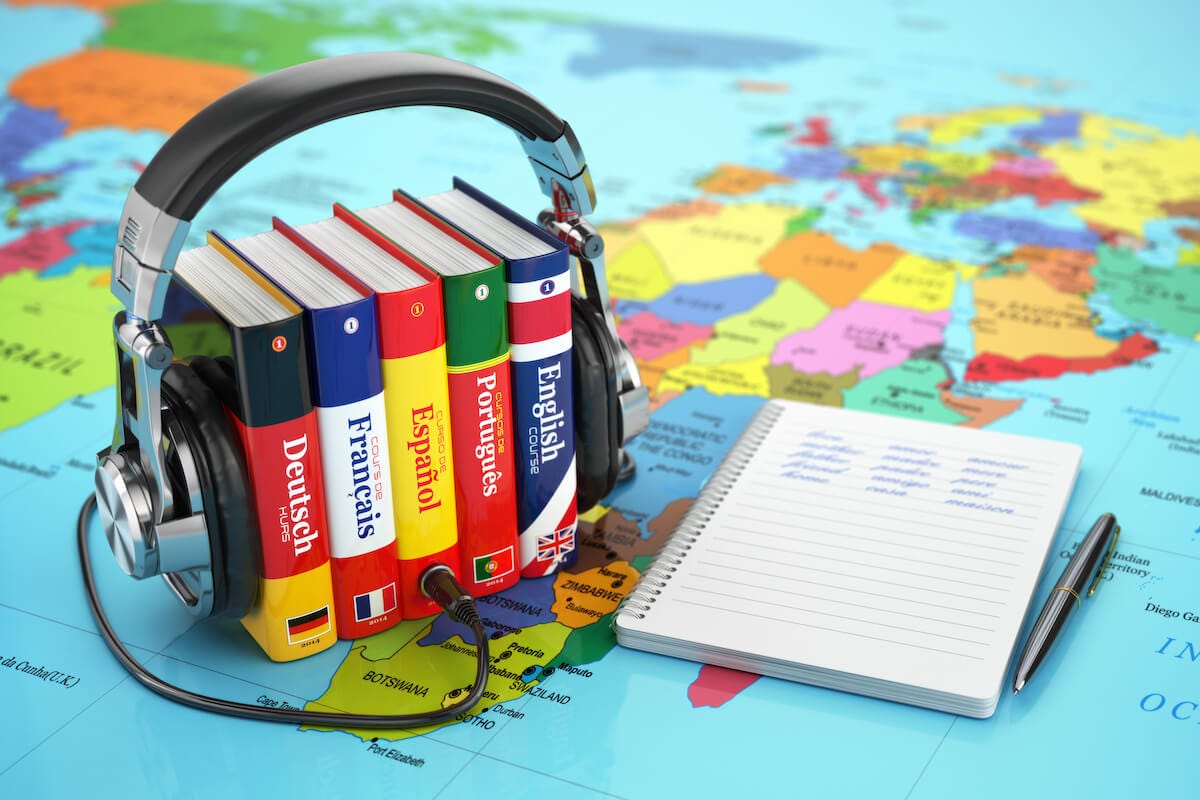
Introducing a new tongue to a child can feel like an overwhelming puzzle, but early language learning opens doors to cognitive growth, cultural empathy, and future success that last a lifetime. Whether you are aiming to raise a bilingual household or simply want to spark curiosity in a second form of communication, the secret lies in keeping the process organic, fun, and stress-free. Instead of forcing heavy grammar rules or dull flashcards, modern educators and parents find that blending natural daily immersion with engaging **educational games** transforms a potentially tedious chore into an exciting daily adventure.
If you are wondering how to make this journey stick without triggering resistance, you are in the right place. In the following guide, we will explore the developmental science behind youthful fluency, practical routines, and clever **learning games** that turn everyday play into valuable linguistic milestones. You will also discover how to support **kids learning** a new vocabulary effortlessly, even if you are not fluent yourself, ensuring a rewarding experience for the entire family.
1. The Cognitive and Practical Foundation of Language Learning for Kids
Embarking on the journey of language learning opens up an extraordinary world of growth for children. Far beyond simply memorizing vocabulary lists, early linguistic acquisition transforms how a young brain processes information, structures thoughts, and interacts with the surrounding world.
1.1 Understanding Developmental Windows for Natural Fluency
1.1.1 The Critical Period Hypothesis and Brain Plasticity
Science consistently shows that children possess a remarkable biological advantage when it comes to acquiring new tongues. Under the Critical Period Hypothesis, young brains exhibit exceptional neuroplasticity, allowing them to absorb grammatical structures and phonetic sounds intuitively. Just as regular mental workouts keep the mind sharp—much like exploring brain games designed to enhance logic and cognitive agility—early immersion capitalizes on a child’s natural neural wiring before it stabilizes in late adolescence.
1.1.2 Why Early Exposure Leads to Native-Like Pronunciation
Have you ever noticed how adults often struggle with foreign accents while young children master them effortlessly? This phenomenon ties directly to auditory perception. During early development, kids can distinguish and reproduce subtle phonetic nuances that eventually become invisible to the adult ear. Early exposure trains the vocal tract and auditory cortex to capture authentic accents naturally.
1.2 Cognitive and Social Advantages of Bilingualism
1.2.1 Enhancing Executive Function and Multitasking Abilities
Jugging two or more systems of communication acts as a high-level workout for the brain. Kids learning multiple languages continually exercise their executive function—the mental processes that enable planning, focusing, remembering instructions, and juggling multiple tasks successfully.
1.2.2 Strengthening Problem-Solving and Critical Thinking Skills
Bilingual children frequently demonstrate enhanced mental flexibility. Because they constantly choose which linguistic code to use based on their social environment, they develop a heightened ability to analyze complex situations, adapt to shifting rules, and approach problem-solving from creative angles.
1.2.3 Long-Term Academic Benefits in the U.S. Education System
Within modern classrooms, students who engage in regular language practice often display superior reading comprehension, stronger verbal standardized test scores, and enhanced meta-linguistic awareness. Understanding how language works structurally gives these students a distinct edge across general literacy and analytical subjects.
1.3 Preparing Children for a Globalized Professional Future
1.3.1 Career Opportunities in a Multicultural Workforce
Today’s economy spans international borders seamlessly. By introducing children to secondary languages early on, parents and educators lay the groundwork for future career versatility, opening doors to global diplomacy, international business, healthcare, and technology sectors.
1.3.2 Cross-Cultural Empathy and Global Perspective
Language is not merely a tool for communication; it is a direct window into culture, history, and human perspective. Stepping inside another linguistic framework fosters deep-seated empathy, teaching children to appreciate diverse cultural traditions and view global challenges through an inclusive, open-minded lens.
2. Implementing Effective Language Learning Strategies and Engagement Tactics

2.1 Designing a Routine Based on Play and Immersion
Moving beyond traditional textbook drills transforms how children experience language learning. When kids associate new words with physical movement and dynamic play, their brains absorb vocabulary organically rather than relying on exhausting, short-term memory techniques. Establishing consistency is equally vital, but it does not require a rigid, classroom-style schedule. Instead, weave target-language media, short storytelling sessions, and conversational prompts into your existing daily routines, ensuring that exposure feels like a natural extension of family life.
2.2 Interactive Games and Multisensory Learning Activities
Active participation accelerates fluency. Adapting classic playground pastimes—such as Simon Says or red-light, green-light—into the target language encourages immediate physical responses to auditory cues. Furthermore, incorporating upbeat music, repetitive rhythm games, and immersive storytelling sharpens auditory discrimination. You can also integrate vocabulary practice seamlessly into everyday household tasks, such as baking a favorite family recipe or working on fabric scraps crafts for kids {no sew}, by labeling materials and narrating your steps aloud.
2.3 Leveraging Technology and Community Resources
Digital tools can enhance traditional instruction when chosen with care. Prioritize ad-free, interactive apps designed specifically to support kids learning through intuitive interface design and captivating visual storytelling. Beyond the screen, look for local cultural events, bilingual playdates, and neighborhood language exchange groups to provide authentic social contexts. If you are a non-native speaker yourself, you can still guide the journey by learning alongside your child, exploring audiobooks together, and celebrating small milestones as a family.
2.4 Frequently Asked Questions About Raising Multilingual Children
Parents often wonder about the ideal timeline, screen-time boundaries, and how multilingualism impacts overall childhood development. Introducing a second language can begin effectively at birth, as infants are naturally equipped to distinguish phonemes across multiple tongues. While high-quality digital learning games offer helpful reinforcement, they should always complement, rather than replace, human conversation. Finally, rest assured that brief speech delays or temporary code-switching are normal phases of processing dual systems and rarely signal a true developmental roadblock.
Embarking on the journey of language learning with your children is one of the most rewarding investments you can make in their cognitive and personal development. By leaning into young brains’ natural plasticity, parents can seamlessly weave bilingualism into everyday life. Whether you are utilizing structured kids learning apps or inventing spontaneous conversation games at the dinner table, consistency and patience remain your greatest tools. Remember that fluency does not happen overnight; it grows through joyful, low-stress exposure and meaningful human connection.
As you introduce new vocabulary and cultural concepts, keep the experience interactive and fun. Incorporating dynamic learning games transforms studying from a chore into an exciting adventure, helping your child build confidence without feeling pressured. To keep minds sharp and support overall childhood development, you might also explore other cognitive boosts, such as understanding how brain scans after memory shifts highlight the lifelong adaptability of the human mind. Start small, celebrate every milestone, and watch your child unlock a broader, more connected world.