There is a distinct, deeply satisfying thrill that comes from watching a fragile, rudimentary setup transform into an unstoppable scoring powerhouse. Whether you are carefully balancing the moving parts within complex resource management board games or optimizing a digital loop, mastering engine building mechanics is what separates casual players from tactical masterminds. At its core, this strategic system revolves around investing early actions into assets that compound over time, drastically reducing manual effort while maximizing long-term yields.
However, building a high-efficiency apparatus without hitting a bottleneck requires a sharp eye for pacing, synergy, and risk management. In this guide, you will learn how to analyze the lifecycle of an engine, refine your card draft strategies to secure crucial components, and fine-tune your scaling tactics from the opening turn to the final endgame push. Let us break down the architecture of what makes an engine truly elite and how you can consistently outpace your competition.

1. Understanding the Core Principles of Engine Building Mechanics
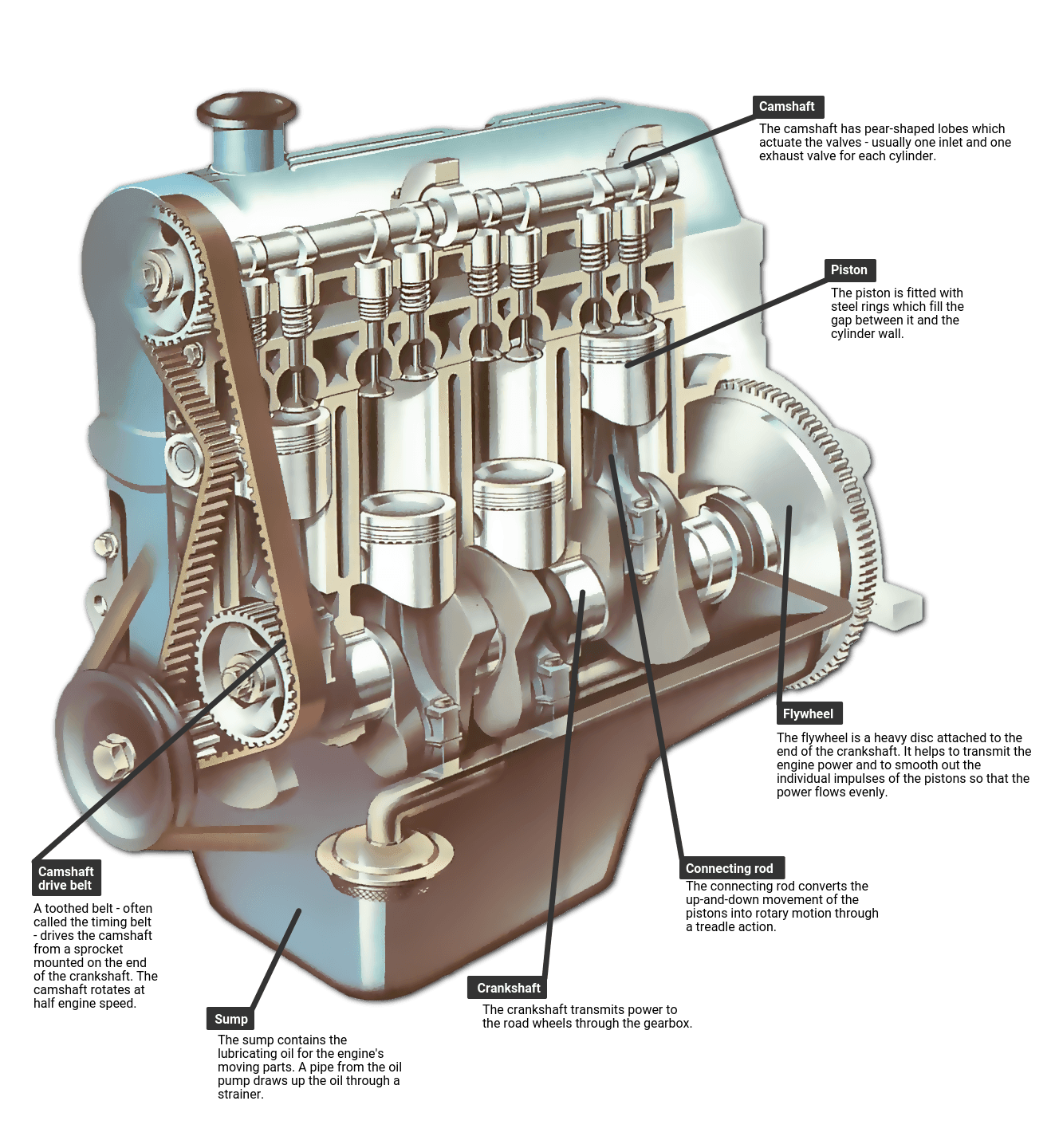
1.1 Defining Engine Building as a Strategic System
At its core, engine building mechanics revolve around constructing an interconnected system of cards, actions, or tokens that continuously improve your efficiency over the course of a game. Rather than forcing players to execute isolated, single-use actions, a well-designed engine rewards early investments by generating compounding returns. Whether you are exploring complex resource management board games or optimizing a fast-paced tableau builder, the ultimate goal is to transform scarce initial actions into an automated, self-sustaining loop of high-value outputs.
1.1.1 Distinguishing Engine Building from Engine Power and Combo-Based Gameplay
Players frequently conflate engine building with raw engine power or explosive combo-based gameplay, but distinct design boundaries separate them. While a combo relies on a one-time execution of sequential triggers to achieve a massive, immediate spike in points or damage, an engine is institutionalized for repetition. It functions like industrial machinery: you feed it inputs round after round to extract consistent yields. Understanding this nuance changes how you approach card draft strategies, shifting your focus from short-term point grabs to sustainable, long-term operational throughput.
1.1.2 Identifying the Three Phases of Engine Lifecycle Development
Every successful system progresses through a predictable lifecycle: setup, scaling, and harvest. During the initial setup phase, you absorb heavy costs and sacrifice immediate tempo to acquire foundational components. The scaling phase introduces multipliers that exponentially increase your production capacity. Finally, the harvest phase allows you to sit back and reap the rewards of your early investments. Recognizing which phase your system currently occupies prevents you from stalling out prematurely.
1.2 Fundamental Architecture of a High-Efficiency Engine
Building a resilient system requires a meticulous understanding of mathematical and systemic balance. If your operational costs outweigh your returns, your engine will effectively choke itself out before it ever turns a profit.
1.2.1 Balancing Input Costs Against Variable Output Yields
A fatal flaw among novice strategists is ignoring the input-to-output ratio. Every activation must cost significantly less in time, action economy, or resource expenditure than the value it produces. When designing or adopting a strategy, calculate the exact turnover rate of your components to ensure that variable outputs compensate for any random variance introduced by the game state.
1.2.2 The Role of Resource Multipliers and Passive Income Generation
Passive income serves as the lifeblood of any advanced mechanical framework. Instead of spending precious turns actively gathering base materials, your setup should generate these components automatically during upkeep phases. By layering resource multipliers on top of these passive streams, linear growth transforms into exponential scaling, drastically outpacing opponents who rely solely on rudimentary, unassisted actions.
1.3 Essential Components for Robust Engine Design
Simplicity and resilience dictate the longevity of your strategic architecture. A cluttered setup invites inefficiencies that can cost you the game.
1.3.1 Eliminating Redundancy to Prevent Mechanical Bloat
Mechanical bloat occurs when you acquire components that overlap in function without providing unique utility or enhanced yield. Every card or token in your setup must serve a distinct purpose. Streamlining your options ensures that every turn maximizes your potential throughput without wasting actions on redundant steps.
1.3.2 Integrating Defensive Layers to Safeguard Passive Gains
In competitive environments, opponents will actively attempt to disrupt your momentum. Integrating defensive layers—such as resource protection, flexible alternative pathways, or buffered reserves—ensures that a single disruptive attack or market shift cannot completely dismantle your hard-earned productivity.
2. Advanced Strategies for Scaling and Optimizing Engine Building Mechanics
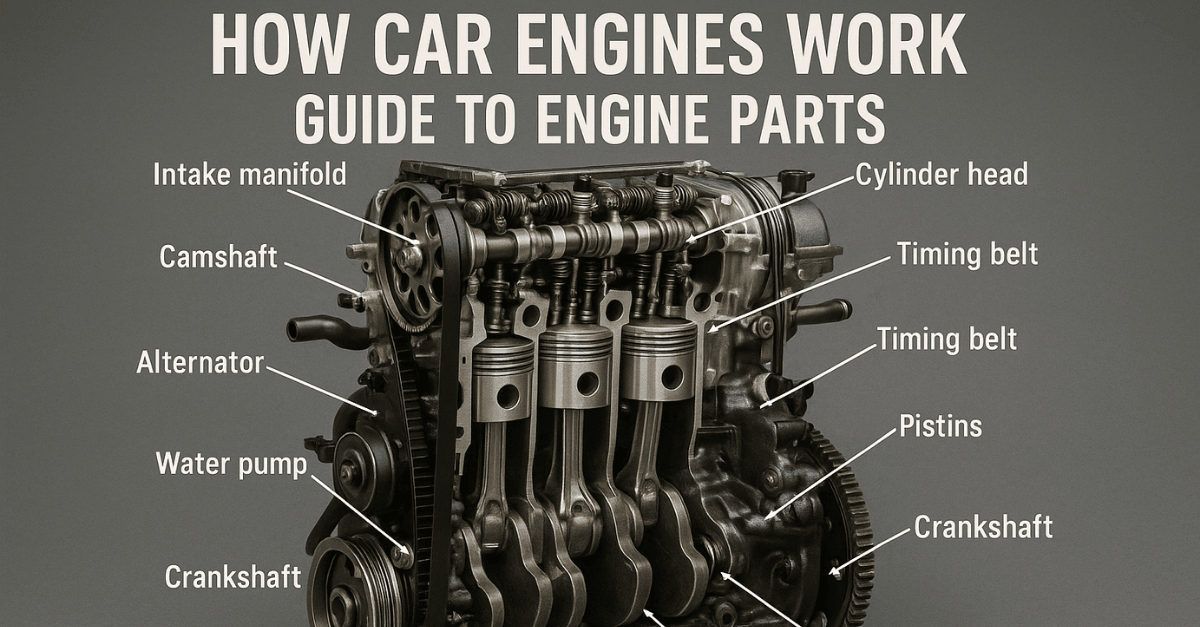
2.1 Execution Tactics for the Early, Mid, and Late Game
2.1.1 Prioritizing High-Velocity Setup During the Initial Resource Scarcity Phase
When you sit down to play a complex strategy title centered around **resource management board games**, the opening turns dictate your entire trajectory. During the early game, efficiency is king. You must focus on acquiring cards, tokens, or tiles that generate baseline income rather than chasing high-point victory conditions immediately. Utilizing intelligent **card draft strategies** ensures you secure foundational components before your opponents lock them down. If you fall behind in establishing your initial momentum, catching up later becomes statistically improbable due to compounding deficits.
2.1.2 Transitioning from Growth-Oriented Investment to Harvest-Driven Payouts
Once your foundation is secure, maintaining a purely growth-focused mindset will stall your progress. Mid-game execution requires a deliberate shift toward harvesting the fruits of your labor. Instead of adding more moving parts, you must maximize the output of the components you already possess. This phase is where many players falter, confusing sheer quantity with actual productivity. Streamline your operational loops so that every turn yields maximum resource conversion, keeping your engine running at peak capacity.
2.1.3 Timing the Pivot Point for Maximum Competitive Advantage
The transition from the mid-game harvest phase to the late-game sprint is all about timing. Wait too long, and your opponents will outpace you with superior endgame scoring triggers; pivot too early, and your engine will lack the raw power needed to cross the finish line. Recognizing this critical juncture separates casual players from seasoned competitors. Look for diminishing returns on your current production cycle as your primary indicator that it is time to cash out or convert your assets into direct victory points.
2.2 Mitigating Common Failures and Bottlenecks
2.2.1 Recognizing When to Abandon a Stalling Engine Design
Stubbornness is a strategy killer. If your setup relies on specific combinations that fail to materialize—often exacerbated by aggressive opponent interaction or unfortunate random draws—you must know when to scrap your plan. Sunk cost fallacy creeps into tabletop gaming just as easily as it does into business. Cutting your losses and pivoting to a functional backup strategy can salvage an otherwise doomed match.
2.2.2 Resolving Resource Starvation Through Strategic Reallocation
Resource starvation happens when your operational costs outweigh your incoming yields, grinding your progress to a halt. When this occurs, look for alternative conversion loops or secondary pathways to inject liquidity back into your system. Much like managing tight inventories in open-world survival mechanics, survival depends on your ability to reallocate meager assets efficiently until regular supply chains stabilize.
2.3 Evaluating Engine Performance and Success Metrics
2.3.1 Comparative Analysis of Engine Scalability Across Diverse Disciplines
Not all systems scale equally. Some designs offer explosive early-game bursts that taper off sharply, while others feature exponential late-game curves that start painfully slow. Analyzing how different structural frameworks perform against interactive elements like **worker placement rules** helps you anticipate opponent disruptions and choose paths with resilient scalability.
2.3.2 Quantitative Methods for Tracking Engine Efficiency Ratios
Mastering your operational systems goes beyond intuition; it requires tracking concrete input-to-output ratios. Calculate how many actions or resources you invest versus how many you generate per turn. By treating your setup like a measurable equation, you can fine-tune every action, eliminate hidden inefficiencies, and consistently outperform your competition.
Mastering engine building mechanics goes far beyond simply collecting high-value components or hoping for lucky draws. Whether you are navigating complex resource management board games or plotting out efficient card combos, true mastery relies on discipline, structural foresight, and knowing precisely when to pivot your strategy. By prioritizing early velocity, carefully balancing your input costs against variable payouts, and eliminating mechanical bloat, you can transform a stuttering setup into a self-sustaining powerhouse that outpaces the competition.
Ultimately, success in these systems requires you to view your strategy as an evolving lifecycle rather than a static goal. Keep these advanced tactics in mind during your next session—analyze your efficiency ratios, protect your passive income streams, and don’t hesitate to abandon a stalling design before it drags you down. For more tactical deep-dives to sharpen your tabletop skills, explore our guide on card draft strategies and engine building tactics to elevate your gameplay to the next level.