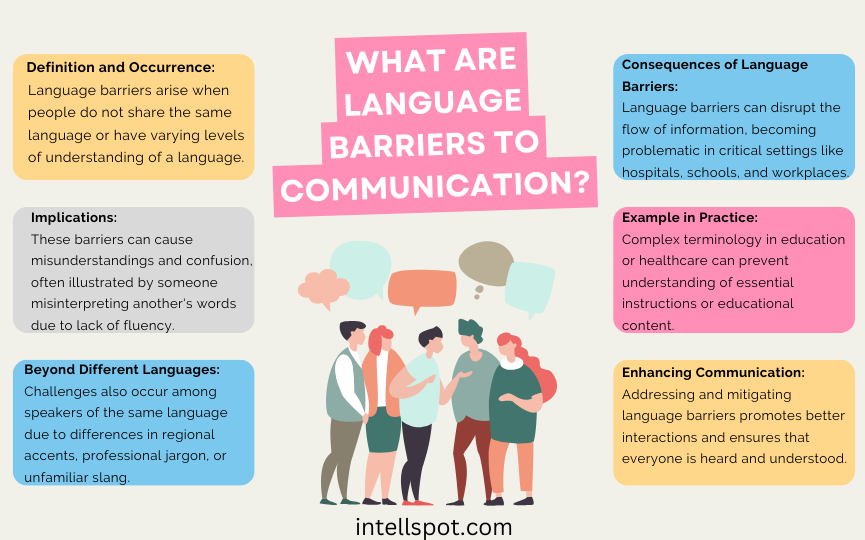
You have studied the grammar rules, memorized hundreds of vocabulary terms, and consumed hours of native audio content. Yet, when the moment arrives to speak spontaneously, you freeze. If this frustrating scenario sounds familiar, you are running headfirst into the classic language fluency challenges that stall even the most dedicated students.
Embarking on a journey of language learning often feels like an uphill climb once you move past the beginner milestones. The initial excitement of acquiring basic phrases gives way to an invisible wall where comprehension outpaces expression. Fortunately, overcoming this barrier is not about working harder with traditional textbooks; it requires shifting how your brain processes and produces real-time speech.
In this guide, you will discover the root causes behind your speech plateaus and learn actionable, proven techniques to break through them. From mastering active production exercises to leveraging cognitive pattern recognition, you will gain the exact framework needed to transform passive knowledge into confident, fluid communication.

1. Understanding the Root Causes of Language Fluency Challenges
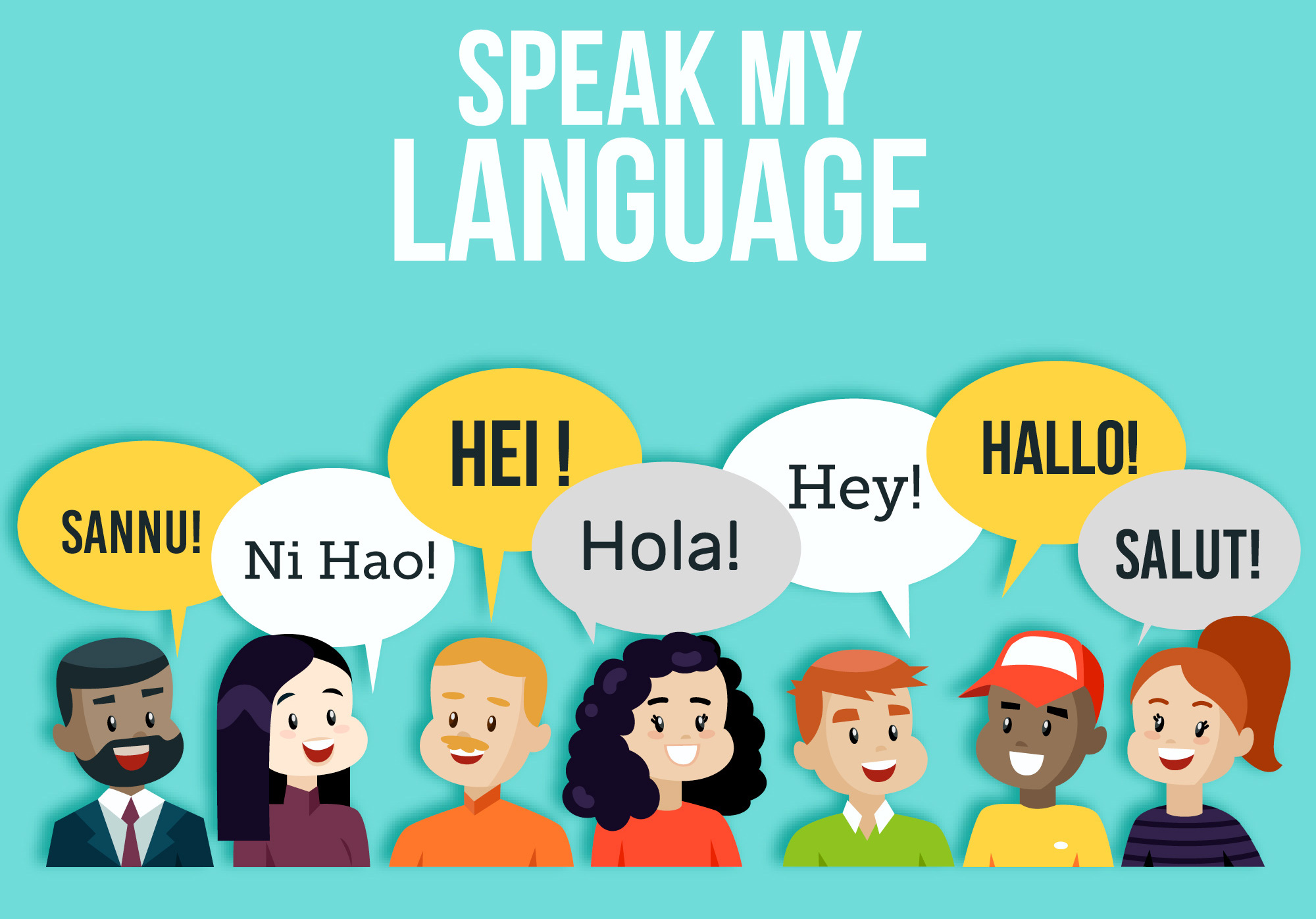
Every language learner eventually hits a wall where progress feels sluggish or completely stalled. Tackling language fluency challenges requires more than just memorizing extra vocabulary words; it demands an honest look at how your brain processes and produces information. By breaking down the specific mechanics behind your plateau, you can pinpoint exactly where your communication pipeline is getting stuck.
1.1 Diagnosing Your Specific Fluency Plateau
A plateau is rarely a sign of failure. Instead, it usually indicates a mismatch in skill development. To move forward, you need to break down your habits into distinct operational categories.
1.1.1 Identifying the Mismatch Between Passive Comprehension and Active Production
Many learners consume hours of foreign media, podcasts, and articles, leading to a false sense of security. You might understand ninety percent of what you hear, yet freeze up when it is your turn to speak. This gap exists because passive listening relies on recognition memory, whereas speaking requires independent retrieval and physical muscle coordination.
1.1.2 Evaluating Vocabulary Retrieval Speeds During Spontaneous Conversation
Knowing a word on paper is very different from calling it up in three seconds during a heated discussion. When language learning stalls, it is often because your mental lexicon is organized like a deep archive rather than an instant-access database. Speed and automaticity matter just as much as raw vocabulary size.
1.1.3 Pinpointing Pronunciation and Syntax Bottlenecks
Sometimes the barrier is physical or structural. If you spend too much mental energy trying to pronounce difficult sounds or assemble basic verb tenses, your working memory runs out of bandwidth. This bottleneck makes your speech choppy and exhausts you quickly during social interactions.
1.2 Psychological Barriers Hindering Natural Speech
Your mindset plays a massive role in whether you break through a plateau or stay trapped in hesitation. Emotional blocks often masquerade as a lack of linguistic skill.
1.2.1 Overcoming the Perfectionism Trap and Fear of Making Mistakes
The desire to speak flawlessly is one of the biggest anchors holding learners back. Fear of grammatical errors or awkward phrasing triggers a protective response that keeps you silent. Embracing mistakes as vital data points is essential for building real-world momentum.
1.2.2 Deconstructing the Habit of Mental Translation
If you are constantly translating sentences from your native tongue into your target language word-for-word, your speaking speed will always lag. True flow happens when you tap into cognitive pattern recognition, allowing concepts to connect directly to target-language structures without a middleman.
1.2.3 Managing Performance Anxiety in Real-World Interactions
Speaking a new tongue in front of native speakers can spike your heart rate and cause mental blocks. Recognizing that most people are supportive and focused on the message rather than the grammar can help lower your stress levels and keep your thoughts clear.
1.3 Measuring Progress Beyond Academic Metrics
Standard tests do not always reflect real-world capability. Shifting how you measure success helps you see your true growth.
1.3.1 Defining Functional Fluency Versus Vocabulary Size
Functional fluency is your ability to achieve a communicative goal—like ordering food, resolving a billing issue, or telling a joke—regardless of whether your grammar is textbook-perfect. Tracking communicative success is much more motivating than counting how many obscure nouns you have memorized.
1.3.2 Assessing Spontaneity and Idiomatic Usage in Daily Communication
Real progress shows up in the unexpected moments: the ability to laugh at a joke instantly, use a natural filler word, or pivot when you forget a specific term. When your speech becomes reactive and intuitive rather than calculated and rigid, you know you are successfully conquering your fluency hurdles.
2. Proven Strategies to Resolve Language Fluency Challenges and Sustain Growth
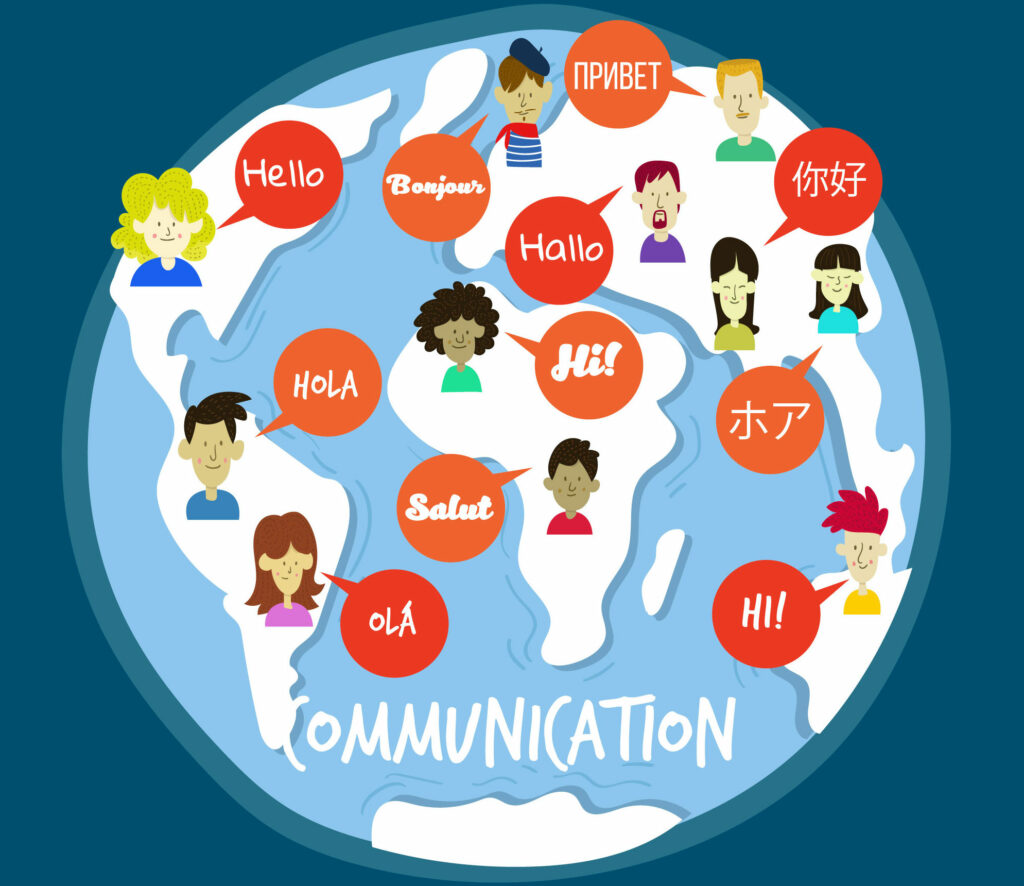
2.1 Implementing Active Production Techniques
Overcoming a plateau in language learning requires shifting from passive consumption to active output. When learners only listen and read, they build receptive skills without training their vocal tracts to produce foreign sounds smoothly. Utilizing shadowing exercises bridges this gap by having you repeat native audio in real-time, matching its rhythm, stress, and intonation. Pairing this with daily monologue practice helps stabilize sentence structures, allowing your brain to construct phrases automatically without stuttering.
To evaluate your progress objectively, leverage self-recording during your monologue sessions. Listening to your own voice helps you spot recurring syntax bottlenecks and pronunciation errors that you might miss while speaking in real-time. This method fosters cognitive pattern recognition, teaching your brain to identify and correct mistakes instinctively during actual conversations.
2.2 Contextual Acquisition and Vocabulary Retention
Memorizing isolated flashcard decks often fails when you try to apply words in spontaneous dialogue. Instead of learning individual terms, focus on mastering natural collocations—words that frequently group together natively. By adopting thematic immersion, you contextualize complex grammar rules within real-world scenarios rather than memorizing abstract textbook charts. Integrating these concepts into a spaced repetition system ensures long-term memory storage, keeping essential vocabulary accessible right when you need it.
2.3 Simulating High-Pressure Conversational Environments
Real fluency is forged under pressure. Engaging with native-speaking partners via language exchange platforms forces you to retrieve vocabulary quickly without leaning on a safety net. Roleplaying professional and social scenarios builds adaptability, helping you navigate unexpected conversational turns. As you practice, develop healthy self-correction habits; catching minor errors on the fly enhances your communication rather than completely halting your speaking flow.
Overcoming language fluency challenges is rarely a straight line. It is completely normal to hit walls where active production lags behind comprehension or where the fear of making mistakes holds back your natural rhythm. True growth happens when you shift your focus away from rigid academic metrics and lean into practical, real-world communication strategies.
By implementing targeted techniques like active shadowing, contextual collocation practice, and routine self-reflection, you can systematically bridge the gap between passive understanding and fluent speech. Remember that consistency beats perfection every single time. Embrace the missteps as natural data points on your journey toward genuine linguistic confidence, and celebrate the small wins that accumulate into long-term mastery.