Navigating the vast world of interactive entertainment can feel overwhelming, especially when you are trying to ensure that the titles you purchase or download are appropriate for your household. Understanding game ratings is the single most effective way to cut through the confusion and make informed decisions about age appropriateness, content descriptors, and interactive features. Whether you are a parent safeguarding your children or an adult looking for a specific type of entertainment, standardized rating systems offer a reliable blueprint for what to expect before you hit start.
In this comprehensive guide, we will break down the complexities of U.S. video game rating systems, explore how they compare to international standards, and look at practical strategies for managing digital safety on modern consoles and PCs. By combining official age labels with a thorough gameplay review approach, you will gain the clarity needed to choose titles that align perfectly with your family’s boundaries and personal preferences.
1. Mastering the ESRB System and Navigating Game Ratings
Navigating the complex landscape of interactive entertainment requires a solid grasp of standardized evaluation frameworks. For parents, educators, and players alike, understanding game ratings serves as the first line of defense against unwanted content and an essential tool for making informed purchasing decisions. Rather than relying solely on surface-level marketing or quick Top Gaming Trends: New Game Updates & Developer Insights, leaning on a structured rating system provides transparency regarding what a title actually contains before it ever launches on a console or PC.
1.1 The Architecture of U.S. Video Game Ratings
1.1.1 Decoding Age-Based Rating Categories from E to AO
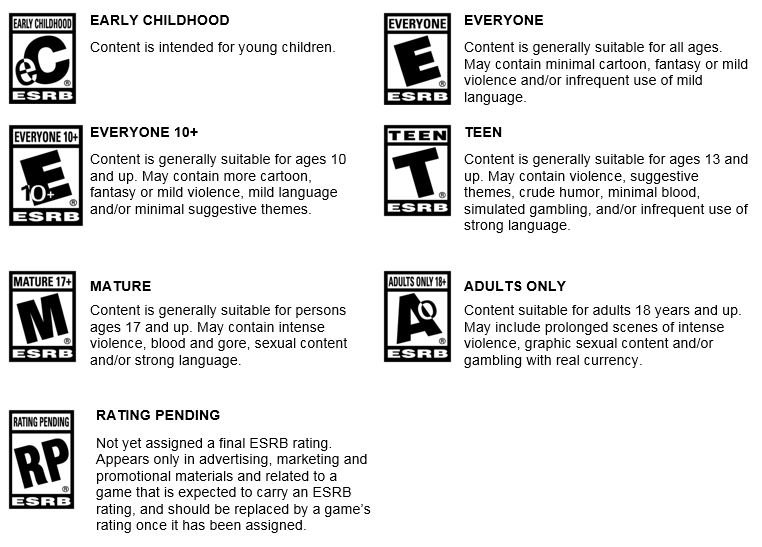
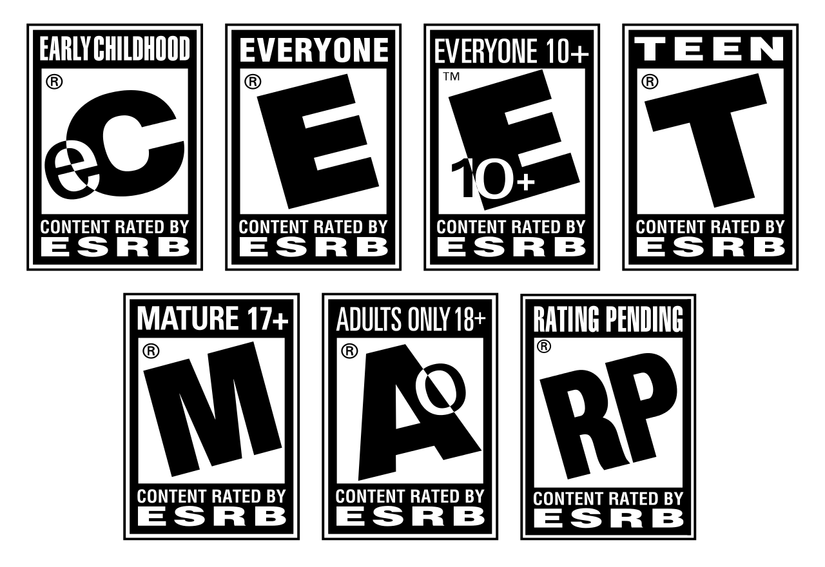
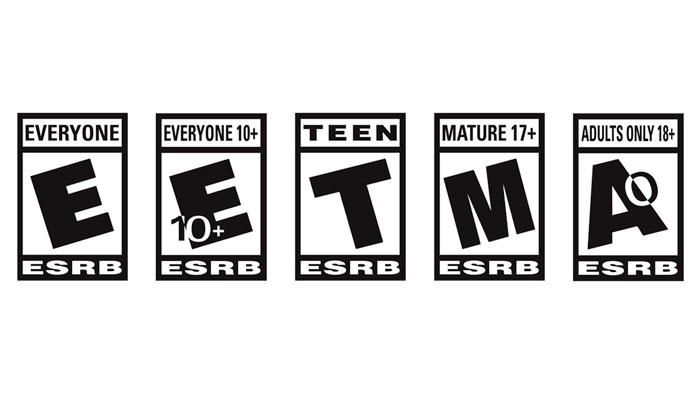
The Entertainment Software Rating Board system categorizes titles into distinct age brackets designed to reflect appropriate developmental milestones. These ratings range from “E for Everyone,” which contains minimal content suitable for all ages, up to “AO for Adults Only,” which restricts purchases strictly to consumers aged 18 and older due to intense violence or explicit sexual material. Familiarizing yourself with intermediate categories like “E10+” and “T for Teen” ensures that players are introduced to themes, language, and mechanics matching their emotional maturity.
1.1.2 Deciphering Content Descriptors and Interactive Element Notices
Age categories only tell part of the story; content descriptors provide the vital context behind why a specific label was assigned. Found directly on the back of physical packaging or digital store pages, terms like “Blood and Gore,” “Strong Language,” or “Simulated Gambling” highlight specific triggers. Furthermore, interactive element notices warn users about online interactions, in-game purchases, and unmoderated user-generated content, giving families a comprehensive look at the digital ecosystem they are entering.
1.1.3 The Scientific Process Behind Independent Rating Assignments
Unlike studio self-assessments, the ESRB relies on an objective, independent evaluation process. Publishers submit comprehensive video footage showcasing a game’s most extreme content—including secret areas or unlockable minigames—to a trained team of raters. This rigorous review guarantees that ratings remain impartial, consistent, and reflective of the complete user experience rather than just a curated promotional trailer.
1.2 Comparative Analysis of Rating Systems and Global Standards
1.2.1 ESRB Versus PEGI and International Age Rating Coalition Standards
While the ESRB governs the United States and Canada, international markets utilize different frameworks, such as PEGI in Europe. Although both systems evaluate similar elements like violence and profanity, their age thresholds and visual iconography can vary significantly. Recognizing these differences is especially crucial for modern consumers who frequently purchase imported physical media or download titles across global storefronts.
1.2.2 Why Digital-Only Titles and Mobile Apps Now Require ESRB Ratings
The massive shift toward digital distribution transformed how media is consumed, prompting the rating board to adapt. Today, downloadable console games, PC indie releases, and mobile storefront applications undergo automated or streamlined rating assessments through the International Age Rating Coalition. This expansion ensures that digital-only storefronts provide the exact same level of transparency as traditional brick-and-mortar retail shelves.
1.3 Addressing the Rating Pending and Unrated Media Dilemma
1.3.1 Identifying Why New Releases Often Carry an RP Designation
Consumers browsing upcoming titles will frequently encounter the “Rating Pending” (RP) icon. This temporary designation simply means the game has been submitted to the board, but the final review is still underway. Publishers display this tag during pre-order phases, reminding buyers that the final content profile has not yet been officially stamped.
1.3.2 Steps for Parents to Take When Encountering Unrated Independent Titles
The vast indie marketplace occasionally features completely unrated games, particularly on decentralized PC platforms. When faced with an unrated title, a comprehensive gameplay review or detailed community feedback can fill the information gap. Checking independent critical analyses and watching unedited preview footage allows parents to evaluate suitability manually when official rating metrics are absent.
Implementing Advanced Digital Safety and Parental Control Strategies
Understanding game ratings is only the first step in building a secure digital environment for your household. Modern gaming platforms, ranging from dedicated home consoles to personal computers, feature robust built-in safety management tools that allow you to enforce these ratings automatically. By moving beyond passive reliance on age labels and actively configuring your devices, you can safeguard younger players from unforeseen digital risks while still promoting healthy entertainment habits.
2.1 Leveraging Built-In Console and PC Management Tools
Modern operating systems and gaming hardware come equipped with sophisticated parental control suites. These tools empower you to tailor the digital landscape precisely to a player’s developmental stage without constant manual oversight.
2.1.1 Setting Spending Limits and Restricting In-Game Purchases
Accidental microtransactions and surprise credit card bills are among the most common headaches for modern households. You can completely eliminate this risk by locking down digital storefronts. Navigate to your console or PC client settings and require a dedicated PIN for every single transaction, or disable in-game purchasing entirely. Many platforms also allow you to preload a restricted wallet balance, teaching younger players the basics of budgeting digital currency safely.
2.1.2 Configuring Time Management and Playtime Scheduling
Balancing screen time with schoolwork, outdoor play, and family obligations is a universal challenge. Built-in scheduling features let you establish daily playtime caps and specific bedtime lockouts. Instead of playing the “bad guy” who constantly demands the controller be put down, you can let the system handle the transition. When time expires, the console simply pauses or logs out, encouraging a much smoother wind-down routine.
2.1.3 Establishing Communication Limits and Online Interaction Controls
The greatest variable in video game safety is rarely the software itself, but rather the unmoderated human element found in online multiplayer lobbies. Console settings allow you to restrict voice chat, text messaging, and friend requests. You can limit communication strictly to pre-approved friends lists or disable it entirely, ensuring that children are shielded from toxic behavior or unwanted solicitations from strangers.
2.2 Proactive Approaches to Evaluating Game Content for Families
Even with official categories firmly in place, supplementary resources and hands-on involvement provide crucial context when evaluating game content.
2.2.1 Assessing Maturity Beyond Age Labels Using Common Sense Media
While standard classifications tell you the minimum recommended age, independent resources like Best Family Games: Expert Guide to Choosing Fun Night Picks offer deep-dive reviews that break down positive messages, sexual content, consumerism, and realistic violence. Consulting these detailed breakdowns ensures you understand the specific nuances behind a title before bringing it home.
2.2.2 The Benefits of Co-Playing Games to Gauge Content Appropriateness
Nothing replaces firsthand observation. Sitting down to play alongside a child—often referred to as co-playing—allows you to evaluate the gameplay mechanics, pacing, and overarching tone in real time. This shared activity not only validates content appropriateness but also strengthens communication and builds mutual trust.
2.2.3 Mitigating Risks Associated with Unmoderated Multiplayer Communities
Open online environments can pivot rapidly from cooperative fun to hostile spaces. Establishing clear family rules regarding online etiquette, setting up private matches instead of public matchmaking queues, and maintaining open dialogue about cyberbullying help mitigate the inherent risks of shared digital spaces.
2.3 Managing Digital Footprints and Reporting Inappropriate Content
Digital safety is an ongoing maintenance process that requires active participation from both guardians and young players alike.
2.3.1 How to File Formal Feedback Regarding Misleading Game Ratings
If you encounter a title where the actual on-screen content deviates wildly from its assigned classification, you have the power to act. Organizations like the ESRB accept inquiries and formal feedback regarding potentially mislabeled products. Submitting these reports helps protect the wider gaming community and ensures standards remain reliable.
2.3.2 Educating Children on Digital Literacy and Informed Media Consumption
Ultimately, technical restrictions are temporary training wheels. Teaching children how to critically analyze media, understand user experience analysis, and recognize persuasive design tactics equips them with lifelong digital literacy skills. When players learn to evaluate what makes a title truly engaging and safe on their own, they transform from passive consumers into smart, discerning digital citizens.
Navigating the world of interactive entertainment involves much more than simply glancing at an age-appropriateness label on a digital storefront. Understanding game ratings requires a balanced approach that combines standardized ESRB categories with thorough game reviews and careful parental oversight. By looking past surface-level content descriptors, you can better protect younger audiences while finding titles that match your family’s values.
Ultimately, making informed purchasing choices comes down to utilizing a mix of built-in console controls, community resources, and hands-on user experience analysis. Whether you are setting up daily playtime limits or researching an unrated indie release, staying proactive ensures a safe, engaging, and enriching gaming environment for everyone in the household.