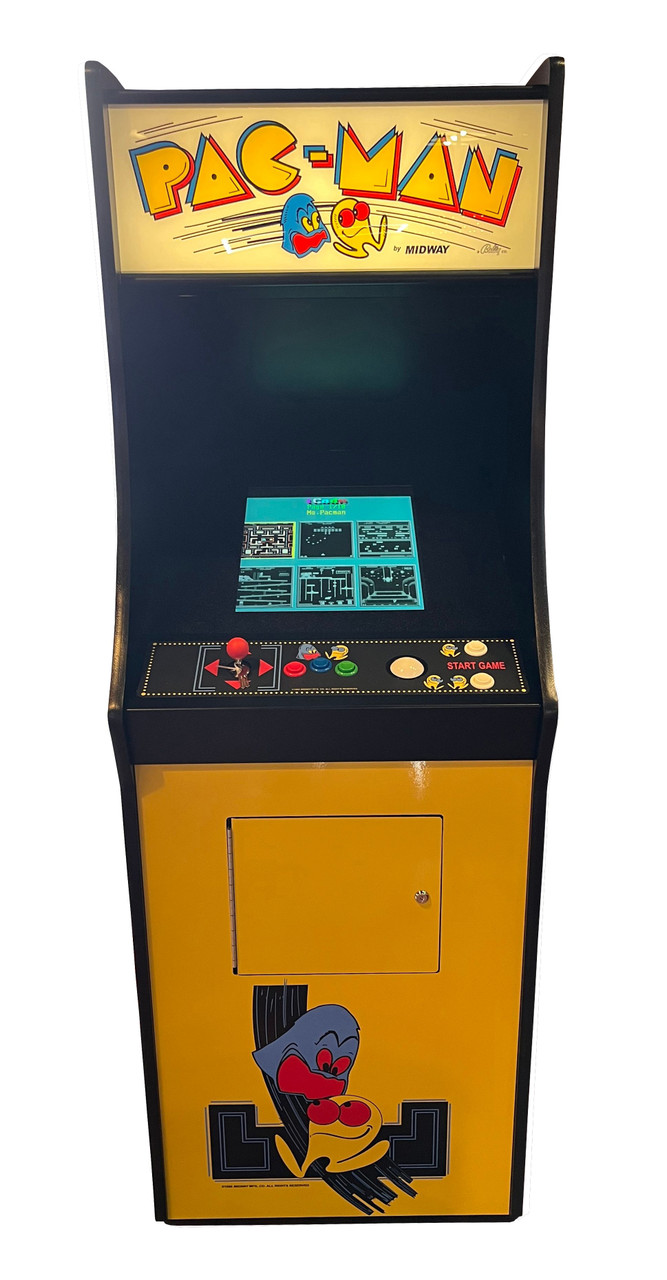
There is a distinct, unmistakable magic to stepping into a dimly lit room, hearing the chorus of synthesized bleeps and bloops, and feeling the heavy click of a microswitch joystick. Long before living rooms played host to ultra-realistic home consoles, the classic arcade served as the ultimate social hub for gamers of all ages. It was a place where reputation was forged in quarters and high scores immortalized on glowing CRT screens.
Whether you grew up pumping tokens into vertical scrollers and maze runners or you are discovering these vintage cabinets for the first time at a local barcade, the allure of retro gaming remains timeless. In this comprehensive guide, we will explore the rich history of the golden age of arcade gaming, break down advanced strategies for dominating iconic cabinets, and provide practical advice for anyone looking to hunt down authentic hardware or build a dedicated setup of their own. Get ready to master the mechanics, understand the community culture, and push your gameplay to the next level.
1. Understanding the Cultural and Technical Legacy of Classic Arcade Gaming
1.1 The History and Evolution of the Arcade Experience
1.1.1 Rise of the Golden Age from 1978 to 1984
The dawn of the classic arcade phenomenon transformed neighborhood corners, bowling alleys, and shopping malls into vibrant social hubs. Sparked initially by the massive global success of Taito’s Space Invaders in 1978, this era ushered in unprecedented technological and cultural momentum. Developers iterated rapidly, shifting from simple black-and-white vector displays to rich, full-color raster graphics. Within just a few years, iconic cabinets populated public spaces, creating a shared physical culture where players gathered shoulder-to-shoulder to witness high score supremacy.
1.1.2 The Technological Impact of CRT Displays and Specialized PCBs
Beneath the colorful wooden marquees and coin doors lay specialized hardware designed for absolute reliability and performance. Unlike modern home consoles that process graphics through generalized operating systems, vintage arcade machines relied on custom Printed Circuit Boards (PCBs) built around specific CPUs like the Zilog Z80. These boards fed visual data directly into Cathode Ray Tube (CRT) monitors. The unique physics of CRT phosphors produced zero input lag, brilliant native scanlines, and deep black levels that modern flat screens still struggle to replicate authentically.
1.1.3 Social Dynamics and the Competitive Culture of Local Arcades
Stepping into a crowded venue meant navigating an intense sensory landscape dominated by synthesized sound effects, flashing lights, and the chatter of onlookers. This environment fostered a distinct hierarchy built entirely around player skill. Holding the “next game” spot by placing a quarter on the glass bezel established an unwritten social contract of fair play. High score chasing became a localized badge of honor, inspiring fierce rivalries, local legends, and a deep sense of community long before online matchmaking existed.
1.2 Master Strategies and Gameplay Mechanics for Classic Arcade Hits
1.2.1 Mastering Maze Navigation and Ghost AI in Pac-Man
Succeeding in timeless arcade games requires a firm grasp of underlying programming logic rather than relying purely on twitch reflexes. In Pac-Man, the four ghosts do not chase you randomly; each possesses distinct behavioral algorithms and target tiles. Blinky relentlessly tracks your exact coordinates, while Pinky tries to ambush you by targeting spaces ahead of your movement. Survival depends on exploiting these predictable AI loops, utilizing the warp tunnels effectively, and saving power pellets for precise panic windows.
1.2.2 Platforming Precision and Barrel Management in Donkey Kong
Platforming masterpieces demand absolute pixel precision and an understanding of dynamic enemy generation. In Donkey Kong, barrels roll down girders based on pseudo-random triggers combined with fixed environmental angles. Players cannot simply sprint upward; you must study jump timing, manipulate hammer spawn points, and recognize safe dead zones beneath ladders to clear ascending screens consistently.
1.2.3 Strategic Ship Deployment and Bonus Rounds in Galaga
Shooter titles reward offensive aggression paired with calculated risk mitigation. Galaga challenges players to balance immediate firepower with long-term point multipliers. Allowing the boss alien to capture your fighter opens the door to rescuing it during a subsequent dive, doubling your firepower into a dual-ship configuration. Mastering this risk-reward mechanic while memorizing enemy formation entry points is essential for surviving later, more aggressive stages.
1.2.4 Combos and Input Execution in Street Fighter II
The evolution of competitive combat introduced sophisticated input execution barriers that separated casual players from tournament champions. Mastering precise joystick motions and button cadence allowed players to chain normal attacks into special moves, establishing the foundational meta for modern fighting games. Frame data literacy and spatial awareness replaced simple button mashing with psychological warfare.
1.3 Advanced Universal Techniques for High Score Achievement
1.3.1 Pattern Recognition and Enemy Spawn Timing
Elite score chasers approach every session with the mindset of a chess grandmaster, anticipating board states several moves in advance. Because classic titles operated on deterministic codebases without modern procedural generation, enemy spawn timings and movement paths remained identical across runs. Memorizing specific safe patterns allows players to bypass chaotic sections entirely, conserving precious lives for later endurance phases.
1.3.2 Risk Mitigation and Resource Management Under Pressure
Balancing aggressive scoring opportunities against defensive survival defines top-tier play. Whether managing limited ammunition, temporary power-ups, or spare lives, experienced players rarely take unnecessary gambles unless a specific high-risk bonus is mathematically justified. Knowing when to retreat, stall, or sacrifice a minor resource to preserve a game-winning streak separates amateur attempts from world-record runs.
1.3.3 The Psychology of Professional Score Chasing and Preventing Tilt
Mental fortitude remains one of the most underrated aspects of competitive retro gaming. Extended marathon sessions subject players to immense physical fatigue and psychological pressure, especially when approaching personal bests or kill screens. Recognizing early signs of mental exhaustion or frustration—commonly known as tilt—allows players to step away, reset their focus, and maintain the razor-sharp concentration required for flawless execution.
Navigating the Modern World of Classic Arcade Ownership and Play
Where to Find and Experience Authentic Retro Gaming
Stepping up to a glowing, coin-operated cabinet offers a tactile connection to gaming history that modern consoles simply cannot replicate. Across the U.S., the resurgence of retro culture has made it easier than ever to experience classic arcade titles in their original environments. Enthusiasts looking to drop quarters into authentic vintage hardware can explore a growing network of dedicated spaces that preserve these digital artifacts.
Locating Local Barcades and Museums Across the U.S.
The modern barcade phenomenon bridges the gap between social nightlife and video game preservation, offering craft beverages alongside meticulously maintained arcade games. Beyond these social venues, non-profit museums and pinball halls dedicated to vintage hardware allow players to experience rare titles. Cities nationwide feature public collections where cabinets are preserved with original CRTs and authentic control panels.
Attending National Retro Conventions and Tournaments
For a deeper dive into competitive and community culture, national conventions gather thousands of fans, collectors, and competitive players under one roof. These events often host high-score tournaments, vendor marketplaces for spare parts, and panels featuring legendary game developers. Participating in these gatherings provides a unique opportunity to connect with fellow enthusiasts who keep the competitive spirit alive.
The Difference Between Original Hardware and Modern Emulation
While playing via software emulation on a PC or modern console offers convenience, it often introduces slight input lag or visual scaling artifacts that differ from the physical experience. Original hardware utilizes specialized printed circuit boards and cathode-ray tubes that render pixels with native phosphorescent glow and zero latency. Understanding this distinction helps players appreciate why purists seek out physical cabinets.
Building Your Own Home Arcade Setup
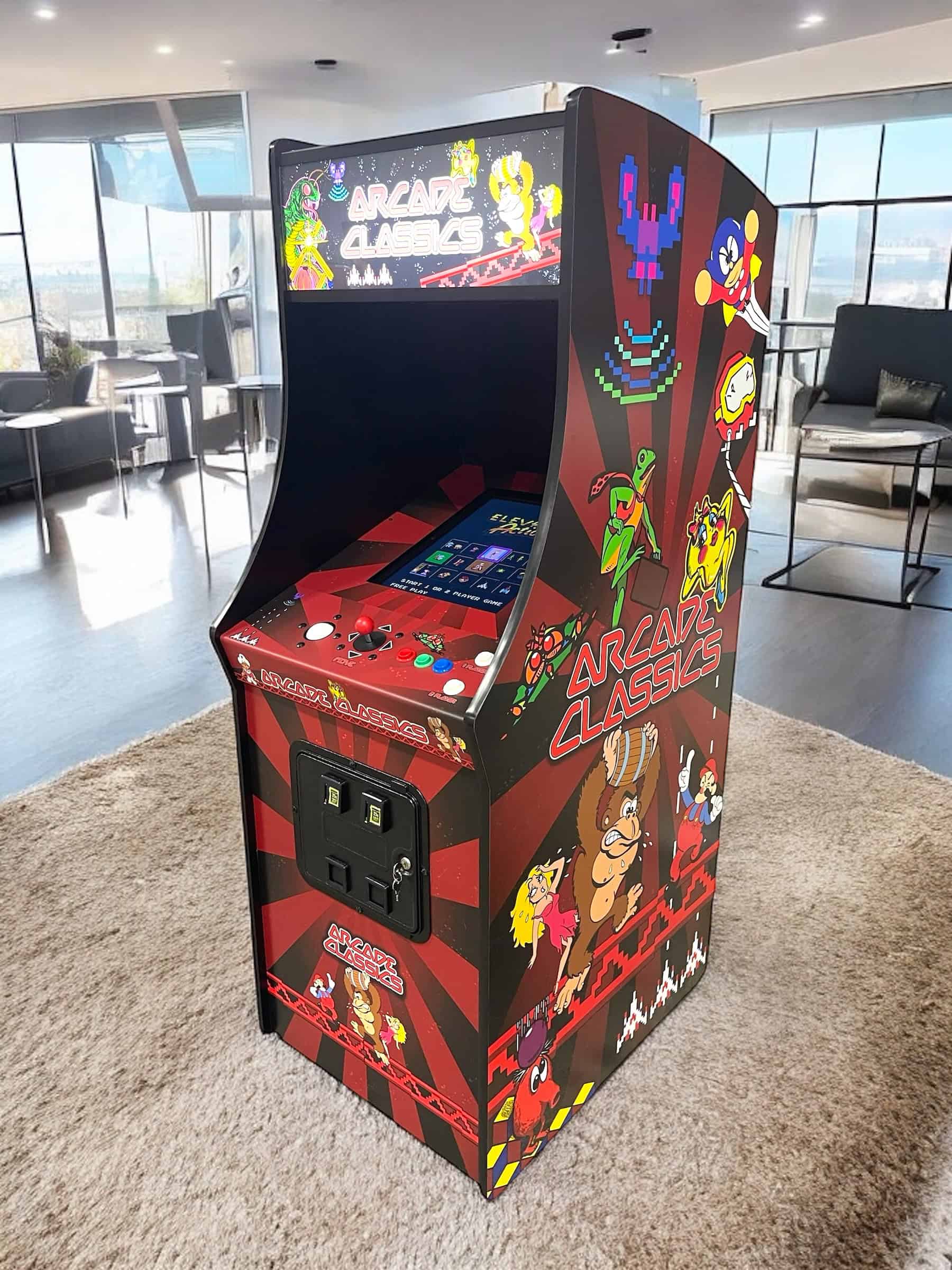
Creating a personal game room allows enthusiasts to enjoy their favorite titles on demand without leaving the house. Whether aiming for an authentic restoration or a versatile all-in-one entertainment center, planning your build requires careful consideration of space, budget, and technical skill.
Choosing Between Multi-Cabs, Pandora’s Box, and Custom MAME Builds
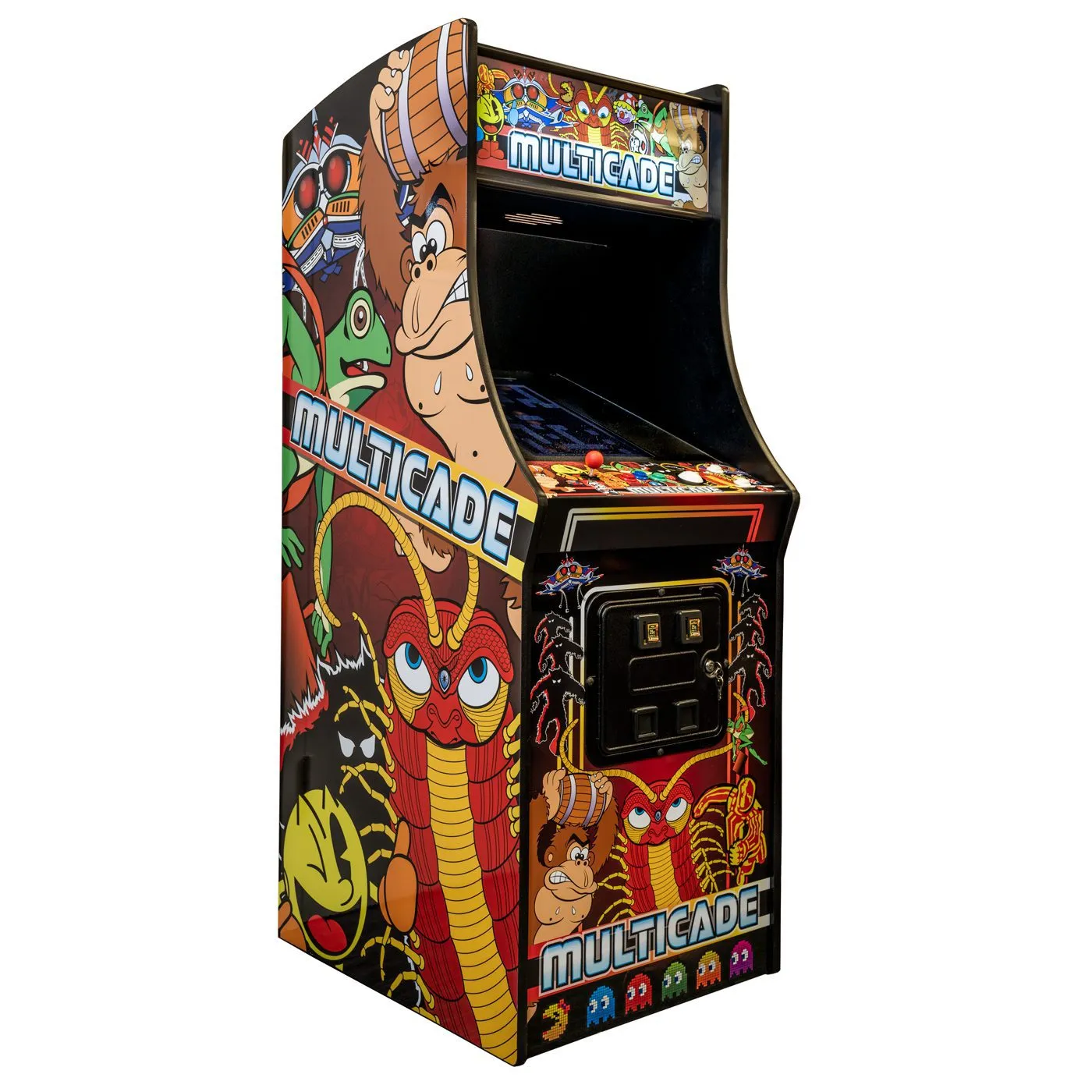
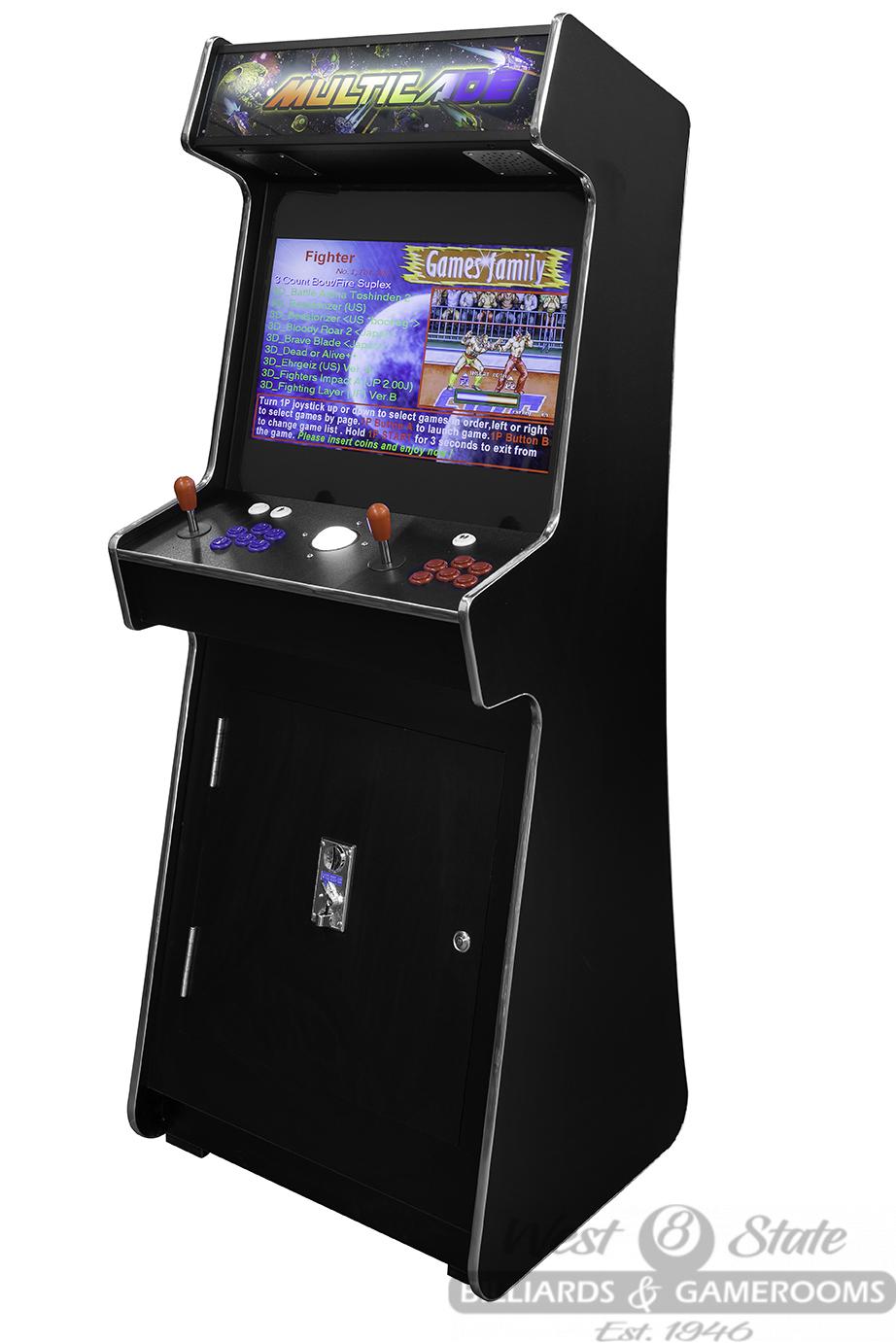
Building a home setup generally starts with choosing the right architecture. Multi-cabs running multiple emulators, plug-and-play boards like Pandora’s Box, and custom PC-based MAME builds each offer different levels of authenticity and library size. Selecting the right option depends on whether you value having hundreds of varied titles or crave the specific control layout of a single dedicated machine.
Essential Considerations for Sourcing Vintage Cabinets and CRT Monitors
Sourcing an empty or non-working vintage cabinet provides the ultimate canvas for a faithful restoration project. Finding original CRT monitors can be challenging due to their weight and fragile glass, but they remain crucial for achieving the authentic visual depth characteristic of retro games.
Legal Sourcing of ROMs and Preservation Best Practices
Responsible preservation involves understanding the legal landscape surrounding software distribution and digital backups. Sourcing ROMs legally often means dumping data directly from physical read-only memory chips you physically own, ensuring that historical software remains accessible for future generations without infringing on copyright laws.
Frequently Asked Questions About the Classic Arcade Industry
Newcomers and seasoned veterans alike often have questions regarding the hardware limits, historical milestones, and beginner-friendly strategies associated with vintage gaming cabinets.
Identifying the Highest-Grossing Titles of All Time
Throughout history, a select few releases dominated coin-drop revenue figures globally. Titles like Pac-Man and Street Fighter II generated billions of dollars in quarters, cementing their status as cultural touchstones that defined an entire era of interactive entertainment.
Explaining Technical Limitations and Kill Screens
Early hardware operated under strict memory and processing constraints, often leading to overflow errors when players reached advanced stages. Famous examples include the 256th-level split-screen in Pac-Man, which abruptly halts progression due to an unrenderable byte limit.
Recommendations for Beginner-Friendly Arcade Classics
Jumping straight into high-difficulty score-chasers can quickly deplete your virtual or physical pocket change. Starting with approachable titles allows newcomers to learn foundational mechanics, timing, and spatial awareness before tackling more punishing designs.
Restoration Tips for Authentic Arcade Cabinet Components
Maintaining vintage cabinets requires patience, basic electrical knowledge, and steady soldering hands. Regularly cleaning coin mechanisms, replacing worn microswitches in joysticks, and safely discharging CRT monitors are essential maintenance skills for keeping legacy hardware operational for years to come.
The enduring magic of a classic arcade lies in its ability to transport us back to an era where flashing CRTs, tactile joysticks, and the clink of quarters defined our social weekends. Whether you are hunting down rare vintage cabinets at a local retro venue, meticulously building a multi-game MAME setup in your garage, or simply trying to crack your personal best on a stubborn stage of Galaga, the culture of arcade gaming continues to thrive across generations. The pursuit of perfection, pattern recognition, and community shared over glowing screens remains just as exhilarating today as it was during the golden age.
Ultimately, preserving this rich digital heritage requires more than just nostalgia; it demands active participation, maintenance, and respect for the hardware that started it all. By diving into the mechanics of retro games and sharpening your strategies, you ensure that the heartbeat of the arcade keeps pounding. Ready to test your reflexes against the ghosts and barrel rolls? Dust off your favorite cabinet, study up on your spawn timings, and head out to your nearest trending games arena or local spot to cement your legacy on the leaderboard.