Stepping onto the mat for the first time can feel like a daunting endeavor, but martial arts offer a transformative journey that extends far beyond learning how to throw a punch or execute a takedown. Whether you are seeking a rigorous physical challenge, a new method for stress relief, or practical self-defense skills, the world of martial arts provides a structured path toward personal growth. By integrating time-honored traditions with modern athletic science, these disciplines help practitioners develop a unique blend of physical coordination, mental clarity, and unwavering discipline. In this guide, we will explore the core pillars of training styles, break down the essential fighting basics, and examine the profound physical benefits that keep students returning to the dojo year after year. Understanding these foundational elements is the first step toward building a sustainable practice that serves your goals, regardless of whether you are a curious beginner or looking to refine your existing technique.
1. Understanding the Holistic Impact and Categorization of Martial Arts
1.1 Physical and Psychological Advantages of Regular Martial Arts Training
1.1.1 Enhancing Cardiovascular Endurance and Core Strength
Martial arts training functions as a comprehensive total-body workout. Whether you are throwing repeated combinations in a striking class or navigating resistance during ground grappling, your heart rate remains elevated, significantly improving cardiovascular efficiency. Beyond heart health, almost every movement in a martial arts discipline originates from the core. Practitioners develop functional strength and stability by constantly engaging their abdominal and oblique muscles to maintain balance, generate explosive power, and transition between positions.
1.1.2 Developing Mental Fortitude and Stress Management Skills
The psychological benefits of training are just as profound as the physical gains. Martial arts require intense focus and the ability to remain calm under pressure, which translates directly to better stress management in daily life. This mental discipline helps practitioners develop resilience, patience, and a “growth mindset.” By consistently pushing through challenging drills and learning to regulate emotions during sparring, students learn to remain clear-headed and composed, even when facing significant obstacles outside the gym.
1.1.3 Building Community Connections and Dojo Etiquette
Most martial arts schools emphasize a culture of respect, humility, and mutual support. This environment fosters strong community connections among practitioners, creating a unique social support system. Dojo etiquette—which includes bowing, consistent attendance, and respecting instructors—instills a sense of shared responsibility and discipline. For many, this camaraderie provides a sense of belonging that encourages long-term commitment and personal growth. If you are looking to boost your overall wellness, you might find that the discipline learned in the dojo mirrors the habits required for maintaining health while managing conditions like those discussed in our guide on traveling with diabetes.
1.2 Classification of Popular Martial Arts Styles
1.2.1 Striking Systems Focusing on Percussive Impact
Striking arts prioritize using limbs to deliver percussive impact. Disciplines like Boxing, Muay Thai, and Karate focus on punching, kicking, kneeing, and elbow strikes. These styles are excellent for developing hand-eye coordination, reaction time, and distance management.
1.2.2 Grappling and Submission-Based Ground Combat
Grappling focuses on clinching, throwing, pinning, and submission holds. Brazilian Jiu-Jitsu (BJJ), Wrestling, and Judo allow practitioners to control an opponent without relying on striking. These systems are highly effective for those interested in leverage, joint mechanics, and positional dominance.
1.2.3 Weapons Systems and Traditional Implement Training
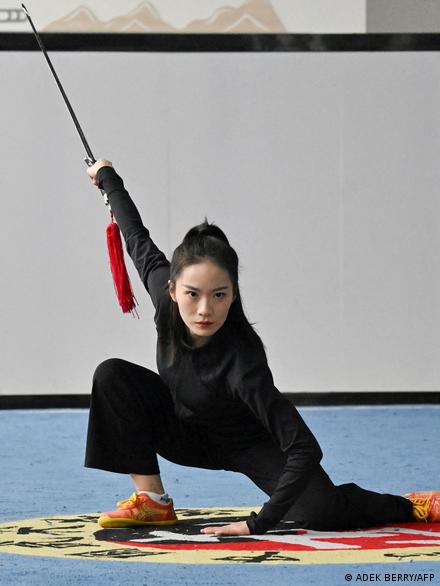
Many traditional arts, such as Kali, Escrima, or Kendo, incorporate weapons like sticks, blades, or swords. These systems teach tactical awareness and weapon-retention skills, bridging the gap between historical combat methods and modern coordination drills.
1.2.4 Modern Hybrid Systems and Mixed Martial Arts Integration
Modern hybrid systems, like Mixed Martial Arts (MMA), combine the most efficient techniques from various disciplines. By integrating striking, wrestling, and ground fighting, these systems offer a well-rounded approach to combat fitness.
1.3 Selecting the Right Martial Arts Discipline for Your Specific Goals
1.3.1 Identifying Priorities Between Self-Defense and Sport Competition
Your choice should align with your objectives. If you prioritize self-defense, look for schools that emphasize realistic scenarios and situational awareness. If you prefer the excitement of competition, seek gyms with a proven track record in tournament training and high-intensity sparring.
1.3.2 Assessing Gym Culture and Instructor Qualifications
The best gym is one where you feel safe and motivated. Visit potential facilities to observe how instructors manage classes and how senior students treat beginners. Ensure the instructors are qualified, approachable, and focused on student development rather than just ego.
1.3.3 Maximizing the Value of Initial Trial Classes
Most schools offer trial sessions. Use this time to test the gym’s atmosphere, the pace of the instruction, and whether the training style matches your physical comfort level. Do not be afraid to ask questions about safety protocols and long-term curriculum goals.
2. Mastering Fighting Fundamentals and Maintaining Long-Term Training Safety
2.1 Essential Techniques for Every Beginning Martial Artist
2.1.1 Establishing a Solid Stance and Efficient Footwork
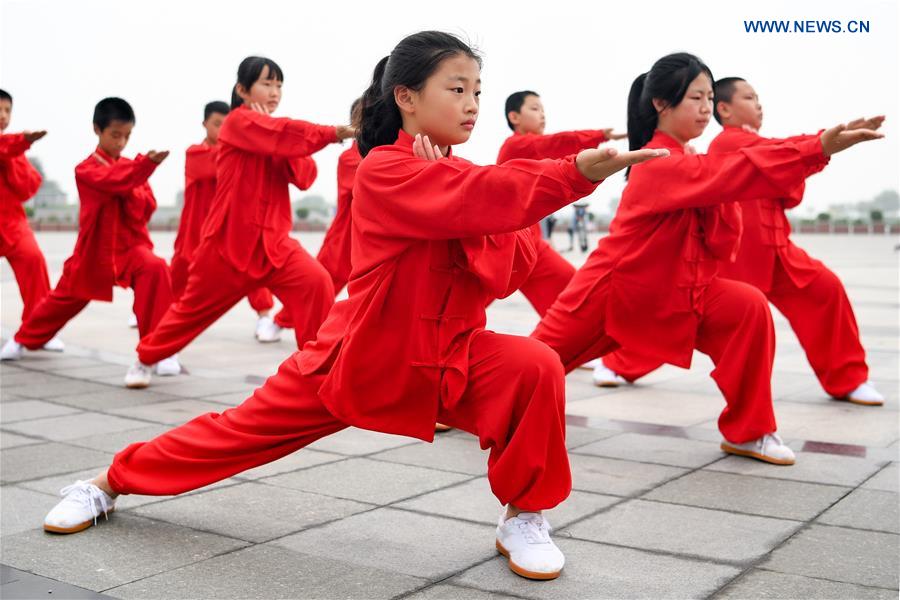
Everything in martial arts begins with your foundation. A proper stance provides the balance necessary to generate power and the stability to absorb impact. Regardless of your discipline, your weight should generally be distributed evenly or slightly on the back leg, keeping your center of gravity low. Efficient footwork is the natural extension of this stance; it allows you to close the distance to land a strike or pivot out of harm’s way. Focus on moving in small, controlled increments rather than crossing your feet, which compromises your balance.
2.1.2 Executing Offensive Strikes and Controlling Range
Offensive techniques are governed by range management. You must understand whether you are in kicking range, punching range, or clinching range. A common mistake for beginners is overextending; true power comes from your core and hip rotation rather than just your arms or legs. By maintaining the correct distance, you force your opponent to play your game, whether that means keeping them at the end of your reach or stifling their movement by staying tight.
2.1.3 Utilizing Defensive Mechanics to Minimize Impact
Defense is as critical as offense. Effective defensive mechanics rely on head movement, proper blocking, and body positioning. Instead of relying solely on your hands to absorb a strike, learn to parry or slip punches to minimize the force of incoming attacks. Developing a habit of keeping your hands up and your chin tucked will significantly reduce your risk of injury while keeping you in the fight longer.
2.1.4 Drilling for Muscle Memory and Reflex Development
Technique refinement requires consistent, repetitive drilling. When you repeat a motion—such as a jab or a hip escape—you are building neural pathways that allow for reflexive reaction under pressure. During training, focus on slow, deliberate movements before increasing intensity. If you can perform a move perfectly at 50% speed, your body will be better equipped to execute it instinctively when your heart rate spikes.
2.2 Strategies for Sustainable Growth and Injury Prevention
2.2.1 Optimizing Recovery Through Nutrition and Rest
Martial arts training is physically demanding, and your progress is only as fast as your body’s ability to repair itself. Proper nutrition, including adequate protein intake and hydration, is essential for muscle recovery. You should also treat rest days as an active part of your training schedule. Pushing through excessive soreness can lead to long-term injuries, so listen to your body and prioritize sleep to ensure your performance remains sharp.
2.2.2 Establishing Training Consistency Over Intensity
Many beginners burn out by trying to train at high intensity every single day. Longevity in this sport depends on consistency. It is far more effective to attend three manageable sessions per week for a year than to train six days a week for a month and quit due to exhaustion. Maintaining a sustainable pace allows you to absorb lessons more deeply and integrate skills into your muscle memory without the constant specter of burnout.
2.2.3 Navigating the Belt Ranking System and Long-Term Mastery
The belt system is a tool for personal growth, not just a measure of status. Use your ranking as a benchmark for your own technical milestones rather than comparing yourself to others. True mastery is a lifelong pursuit; focusing on small, incremental improvements ensures that you stay motivated throughout the journey, from your first class to your black belt.
2.3 Addressing Common Questions for New Practitioners
2.3.1 Safety Protocols for Different Ages and Skill Levels
Safety starts with a culture of mutual respect. Instructors should enforce clear protocols, such as tapping out immediately during grappling or using controlled contact during sparring. If you are training, whether you are a child or an adult, always communicate your comfort levels with your training partners. For those interested in developing their overall cognitive or motor skills through structured practice, understanding these safety boundaries is key, much like learning how to boost kids’ academic skills through focused games.
2.3.2 Equipment Requirements for Introductory Sessions
Most gyms provide loaner gear for your first few classes, so do not feel pressured to purchase expensive equipment immediately. Typically, comfortable athletic wear and a mouthguard are the only immediate necessities. As you commit to the discipline, you may need discipline-specific gear like hand wraps, gloves, or a uniform (gi). Consult your instructor before making purchases to ensure your gear meets the gym’s quality and safety standards.
2.3.3 The Effectiveness of Remote Learning Versus In-Person Instruction
While online tutorials are excellent for supplemental study, they cannot replace in-person instruction. A qualified coach provides real-time feedback on your posture, timing, and leverage—things you cannot judge accurately on your own. Use video content to review concepts or observe techniques, but rely on in-class experience for the actual development of your physical skills.
Embarking on a journey into martial arts is more than just learning how to defend yourself; it is a commitment to lifelong personal growth, physical conditioning, and mental resilience. By understanding the diverse array of training styles—from the percussive strikes of Muay Thai to the intricate groundwork of Brazilian Jiu-Jitsu—you can better align your path with your specific fitness and self-defense goals. Whether you are driven by the need for stress relief, a desire for community, or the pursuit of technical mastery, the foundation lies in consistent practice, safety, and respect for the tradition you choose.
As you begin, remember that the most effective training happens when you prioritize fundamentals and recovery over intensity. If you are looking to complement your new physical routine with cognitive or strategic growth, you might find it helpful to explore other disciplines, such as developing critical thinking skills, which can be surprisingly applicable to the analytical nature of sparring and tactical decision-making. Stay patient with your progress, listen to your body, and enjoy the process of evolving into a more disciplined, capable practitioner. Every belt, every drill, and every training session is a step forward in your development as a martial artist.